Research Units

LABORATORY OF PURIFICATION AND CERTIFICATION OF BIOLOGICALLY ACTIVE SUBSTANCES

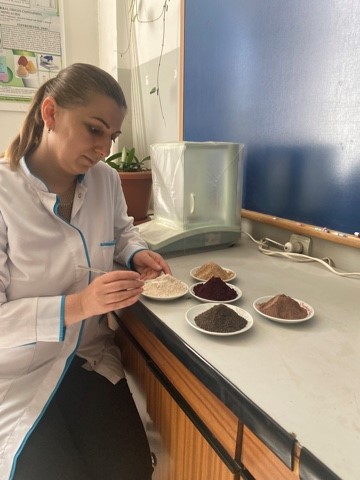
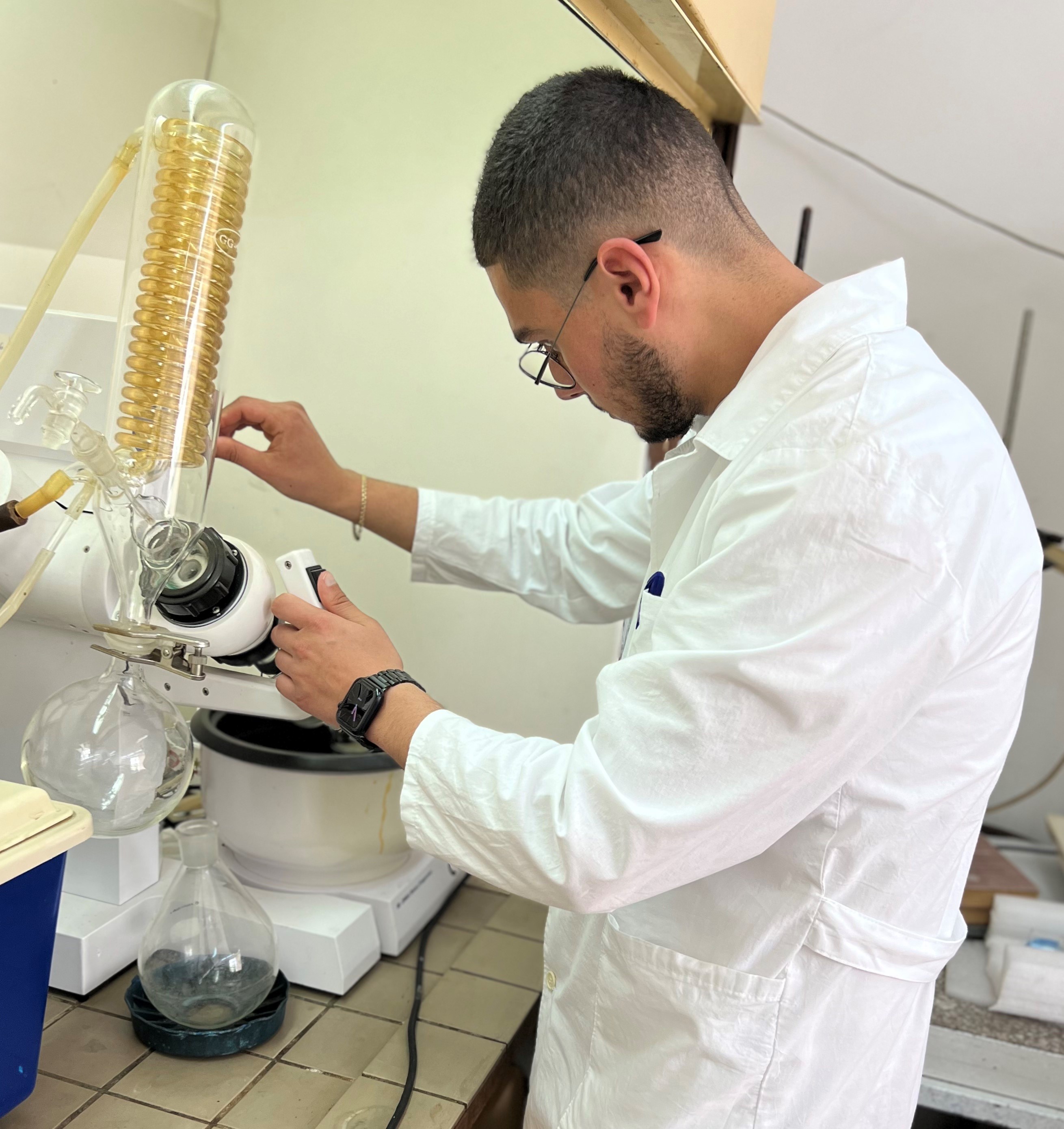
Established in 2016, the laboratory is engaged in the separation of biologically active substances from raw materials, development of advanced purification technologies and effective analytical methods associated with high-performance liquid chromatography (HPLC), gas chromatography (GC), amino acids analysis, elemental analysis, polarimetry, spectroscopy, etc. Particular emphasis is placed on the introduction and validation of new instrumental analytical methods for the qualitative and quantitative identification of valuable substances of various origins.


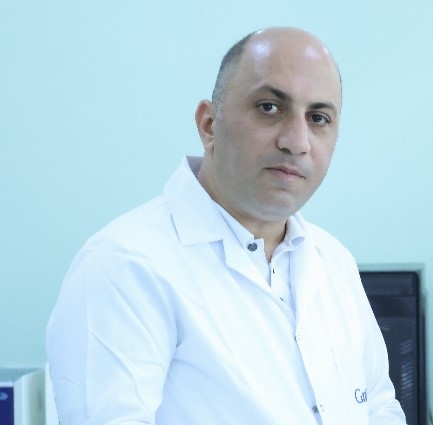
Head of the Laboratory
Avetis H. TSATURYAN PhD in Chemistry
+37477 06 60 07
+ 37410 65 41 82
avetis-tsaturyan@yandex.ru
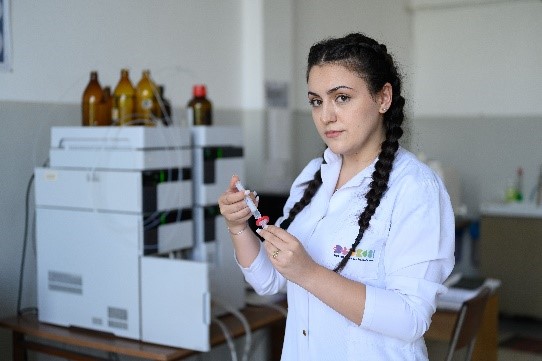
RESEARCH MAIN DIRECTIONS

  • Development of efficient technologies for the separation and purification of biologically active substances from various raw materials and industrial waste.
  • Development and validation of new HPLC methods for the quantitative and qualitative identification of natural and synthetic compounds.
  • Study of the C, H, N, S elemental composition of compounds.
  • Qualitative and quantitative study of the protein amino acid composition in various samples.
  • Chiral analysis using HPLC.

Main results

  • Efficient technologies for the separation and purification of biologically active substances from biological liquids, industrial waste, and other raw materials have been developed and licensed.

  • Numerous analytical and instrumental methods for studying substances widely used for the separation, identification, confirmation of chemical purity have been developed and validated.
  • Chiral analysis, detection of amino acid composition of samples, and study of C, H, N, S elemental composition of compounds have been performed.

Research projects/grants

1. HESC MօESCS RA Project 25RG-3C118 (2025-2027) «Obtaining of biologically active water-soluble melanin and new fields of its application» (PM: A. Tsaturyan, PhD).
2. SC MօESCS RA Project 22YR-1E011 (2022-2024) «Determination of fluoride content in drinking water of the Republic of Armenia and comparative analysis» (PM: A. Tsaturyan, PhD).
3. ISTC #2705 (2022-2024) «Target-directed synthesis and screening of antiviral (anti-SARS-CoV) and antibacterial compounds based on non-proteinogenic amino acids, peptides and polymers» (PM: Prof. A. Saghyan, DSc)
4. SC MօESCS RA Project 21T-2I137 (2021-2023) «Obtaining of biologically active water-soluble melanin from vegetable raw material waste: study of its properties and application» (PM: A. Tsaturyan, PhD).
5. Cooperation Project with Artsakh Republic Research Institute (2021) «Comprehensive research of whey components and separation of BAS generated in milk processing plants operating in the territory of the Republic of Artsakh» (PM: A. Tsaturyan, PhD).
6. Artsakh Republic Research Institute Project 19AA-001 (2019-2021) «Comprehensive study of the composition of medicinal herbal raw materials growing in the territory of the Republic of Artsakh and their possible use for the production of galenic and new galenic preparations» (SS: A. Tsaturyan, PhD).
7. Enterprise Incubator Foundation (2020) «Bacterial melanin as a potential agent for the neurodegeneration therapy: completion of the preclinical research phase» (PM: A. Tsaturyan, PhD).
8. SCS MES RA Project 19YR-1F051 (2019-2021) «Brewery wastewater treatment by the use of unicellular green algae» (PM: A. Tsaturyan, PhD).
9. ISTC #A 2289 (2017-2020) «Synthesis and screening of a new generation non-proteinogenic amino acids, peptides and polymers containing unsaturated groups in the side chain radical» (PM: Prof. A. Saghyan, DSc).
10. SCS MES RA Project 16YR-2I029 (2016-2018) «Study of secondary carotenogenesis peculiarities of green microalgae» (PM: A. Tsaturyan, PhD).
11. SCS MES RA Project 15T-2I215 (2015-2017) «Modeling and targeted synthesis of short peptides as potential inhibitors of serine proteases and their effect on the activity of enzymes» (PM: T. Sargsyan, PhD).
12. ANSЕF biоtеch-4241 (2016) «Water-soluble bacterial melanin as a potential agent for the treatment of Parkinson’s disease: preclinical study in models of neurodegeneration» (PM: A. Hovsepyan, PhD):
13. SCS MES RA Project 13-2I117 (2013-2015) «Search and subsequent target synthesis of short peptides containing potentially biologically active non-protein amino acids by Pass-online software» (PM: T. Sargsyan, PhD).
14. Armenian-Russian Project 13-03-90600 ARM-a (2013-2015) «Asymmetric synthesis of non-proteinogenic amino acids via radical intermediates stabilized by metal ions» (PM: Prof. A. Saghyan, DSc).
15. ISTC #A-1866 (2010-2013) «Natural biological substances (peptides) with bactericidal properties against various pathogens» (PM: F. Tkhruni, PhD).
16. ISTC #A-1677 (2009-2011) «Synthesis of potentially biologically active, heterocyclic substituted amino acids and peptides. Study of their antibacterial, antiviral and antitumor properties» (PM: Prof. A. Saghyan, DSc)

Research projects/grants

1. Minasyan E., Aghajanyan A., Karapetyan K. Khachaturyan N., Hovhannisyan G., Eghyan K., Tsaturyan A., Antimicrobial Activity of Melanin Isolated from Wine Waste. Indian J Microbiol, 2024, V. 64, pp. 1528–1534, https://doi.org/10.1007/s12088-023-01155-9
2. Aghajanyan A.E., Hambardzumyan A.A., Minasyan E.V., Hovhannisyan G.J., Yeghiyan K.I., Soghomonyan T.M., Avetisyan S.V., Sakanyan V.A., Tsaturyan A.H., Efficient isolation and characterization of functional melanin from various plant sources. International Journal of Food Science and Technology, 2024, V. 59(6), pp. 3545-3555, https://doi.org/10.1111/ijfs.17016
3. Tsaturyan A., Sahakyan L., Hayrapetyan L., Minasyan E., Chakhoyan A., Hayrapetyan S., Saghyan A., Ion-chromatographic determination of common anions in drinking water in some regions of the Republic of Armenia, Pharmacia, 2024, V.71, pp.1–9. https://doi.org/10.3897/pharmacia.71.e135658
4. Tsaturyan A., Arstamyan L., Sargsyan A., Saribekyan J., Voskanyan A., Minasyan E., Israelyan M., Sargsyan T., Stepanyan L., Development of an efficient method for obtaining lactose and lactulose from whey, Pharmacia, 2023, V. 70(4), pp. 1039–1046. https://doi.org/10.3897/pharmacia.70.e109086
5. Kirakosyan V.G., Tsaturyan A.H., Poghosyan L.E., Minasyan E.V., Petrosyan H.R., Sahakyan L.Yu., Sargsyan T.H., Detection and development of a quantitation method for undeclared compounds in antidiabetic biologically active additives and its validation by high performance liquid chromatography, Pharmacia, 2022, V. 69(1), pp. 45-50. https://doi.org/10.3897/pharmacia.69.e76247
6. Ulikhanyan G., Tsaturyan A., Dumanyan K., Beglaryan M., Chichoyan N., Standardization of Ziziphora clinopodioides lam. cultivated and wild growing in the South-Caucasian flora, Farmacia, 2022, V. 70, 1, pp. 158-163, https://doi.org/10.31925/FARMACIA.2022.1.23
7. Aghajanyan A., Hambardzumyan A., Minasyan E., Tsaturyan A., Paloyan A., Avetisyan S., Hovsepyan A., Saghyan A., Development of the technology of producing water-soluble melanin from waste of vinary production and the study of its physicochemical properties. European Food Research and Technology, 2021, V. 248, pp. 485-495, https://doi.org/10.1007/s00217-021-03894-9

LABORATORY OF ASYMMETRIC CATALYSIS, AMINO ACID AND PEPTIDE SYNTHESIS

The laboratory was established in 2024 as a result of the merger of the Asymmetric Catalysis and Peptide Synthesis Laboratories. Its scientific activities cover several key areas, including the asymmetric synthesis of non-proteinogenic amino acids, the synthesis of biologically active peptides based on these amino acids, as well as the development of novel chiral metal complex catalysts and organocatalysts aimed at designing catalytic methods for the synthesis of potentially bioactive compounds.


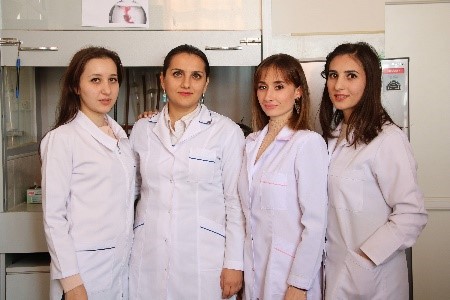
Head of the Laboratory
Anna F. MKRTCHYAN PhD in Chemistry
+ 37410 65 41 80
anna_mkrtchyan@ysu.am
RESEARCH MAIN DIRECTIONS

  • Development of asymmetric synthesis methods aimed at obtaining various types of optically active synthons, including alcohols, amines, amino acids and their derivatives, as well as nitrogen- and oxygen-containing heterocyclic compounds. These compounds are synthesized through asymmetric stoichiometric synthesis and catalytic approaches.
  • Synthesis of potentially biologically active peptides based on non-proteinogenic amino acids, exhibiting antibacterial, antifungal, and enzyme-inhibitory properties. The synthesis is performed using both solution-phase and solid-phase methods.
  • Design of novel chiral metal complex catalytic systems, along with comprehensive investigation of their structural and catalytic properties, and assessment of their potential applications.


Main results

  • A novel asymmetric synthetic methodology was developed for the preparation of α-substituted propargylglycine analogs bearing triple bonds and side-chain radicals.
  • Chiral, charged, and stereochemically inert Co(III) ionic complexes with octahedral geometry were synthesized and studied. These complexes demonstrated catalytic activity in carbon-carbon bond-forming reactions.
  • An efficient approach for classical peptide synthesis based on activated esters was developed and implemented, resulting in the successful synthesis of over 60 distinct peptides.
  • For the first time in the Republic of Armenia, solid-phase peptide synthesis (SPPS) technology was introduced using an automated peptide synthesizer, significantly enhancing the efficiency and reproducibility of peptide production.

Research projects/grants


1. 24RL-1D014 (2024-2029) «Introduction of the meth<>od of solid phase peptide synthesis, targeted synthesis of peptides and assessment of bioactivity potential» (PM: T.Sargsyan, PhD);
2. 25RG-1D076 (2025-2028) «Exploring a new method of the synthesis of triple-bonded contained enantiomerically enriched biologically active compounds» (PM: L.Hayriyan, PhD).
3. 25YR-1D007 (2025-2027) «Synthesis of a new generation of amino acids enantiomerically enriched novel β-substituted α-alanine derivatives by the Mannich reaction» (PM: L. Hayriyan, PhD).
4. 24WS-1D012 (2024-2027) «Incorporation of biomolecules into peptides and assessment of their potential for biological activity» (PM: T. Sargsyan, PhD).
5. 25SC-CNR-1D008 (2025-2027) «From natural peptides to peptidomimetics and synthetic analogues: developing new antimicrobial and antifungal compounds» (PM: A. Mkrtchyan, DSc).
6. 21AG-1D013 (2021-2026) «New chiral catalysts and achiral substrates. Development of effective methods for catalytic asymmetric synthesis of non-protein amino acids and other potentially bioactive chiral compounds» (PM: A. Saghyan, DSc).
7. ISTC AM-2709 (2022-2025) «Target-directed synthesis and screening of antiviral (anti-SARS-CoV) and antibacterial compounds based on non-proteinogenic amino acids, peptides and polymers» (SM: A. Mkrtchyan, DSc).
8. ANSEF 24AN:NS-biochem-3054 (2024-2025) «Asymmetric Synthesis, biological activity and molecular docking studies Of New Non-protein α-amino Acids Containing Various Amine Groups» (PM: L. Hayriyan, PhD).
9. 19YR-2I018 (2019-2021) «Modeling and target synthesis of non-protein amino acids and peptides, as potential inhibitors of collagenases and in vitro investigation of their effect» (PM: T. Sargsyan, PhD).

Selected publications

1. Khachatryan E.A., Sahakyan L.Yu., Tovmasyan A.S., Melikyan G.S., Panosyan H.A., Mkrtchyan A.F., Shibata N., Malkov A.V., Saghyan A.S., Sequential Michael addition, cross-coupling and [3 + 2] cycloaddition reactions within the coordination sphere of chiral Ni(ii) Schiff base complexes derived from dehydroamino acids: pathways to the asymmetric synthesis of structurally diverse O-substituted serine and threonine analogs. RSC Advances, 2025, V. 15(14), pp. 10558–10564. https://doi.org/10.1039/d5ra00910c
2. Peggion C., Schivo A., Rotondo M., Oancea S., Popovici L., Călin T., Mkrtchyan A., Saghyan A., Hayriyan L., Khachatryan E., Formaggio F., Biondi B., Synthesis and Biological Activity of Ultrashort Antimicrobial Peptides Bearing a Non-Coded Amino Acid. Journal of Peptide Science, 2025, V.31(5). https://doi.org/10.1002/psc.70021
3. Sargsyan T., Simonyan H.M., Stepanyan L., Tsaturyan A., Vicidomini C., Pastore R., Guerra G., Roviello G.N., Neuroprotective Properties of Clove (Syzygium aromaticum): State of the Art and Future Pharmaceutical Applications for Alzheimer’s Disease. Biomolecules, 2025, V.15(3), 452. https://doi.org/10.3390/biom15030452
4. Sargsyan T., Stepanyan L., Panosyan H., Hakobyan H., Israyelyan M., Tsaturyan A., Hovhannisyan N., Vicidomini C., Mkrtchyan A., Saghyan A., Roviello G.N., Synthesis and Antifungal Activity of Fmoc-Protected 1,2,4-Triazolyl-α-Amino Acids and Their Dipeptides Against Aspergillus Species. Biomolecules, 2025, V.15(1), 61. https://doi.org/10.3390/biom15010061
5. Hovhannisyan A.M., Tovmasyan A.S., Mkrtchyan A.F., Ghazaryan K.R., Minasyan E.V., Dallakyan O.L., Chobanyan M.S., Zakaryan H., Roviello G.N., Saghyan A.S., Synthesis and evaluation of new mono- and binuclear salen complexes for the Cα-alkylation reaction of amino acid substrates as chiral phase transfer catalysts. Molecular Catalysis, 2024, V.569, 114618. https://doi.org/10.1016/j.mcat.2024.114618
6. Poghosyan A.S., Khachatryan E.A., Mkrtchyan A.F., Mirzoyan V., Hovhannisyan A.M., Ghazaryan K.R., Minasyan E.V., Langer P., Saghyan A.S., Synthesis of enantiomerically enriched β-substituted analogs of (S)-α-alanine containing 1-phenyl-1H-1,2,3-triazole groups. Amino Acids, 2024, V.56(1). https://doi.org/10.1007/s00726-024-03430-5
7. Mosiagin I., Fernandes A.J., Budinska A., Hayriyan L., Kai E.O. Ylijoki, Katayev D. Catalytic ipso-Nitration of Organosilanes Enabled by Electrophilic N-Nitrosaccharin Reagent. Angewandte Chemie International Edition, 2023, V.62(41). https://doi.org/10.1002/anie.202310851
8. Tovmasyan A.S., Mkrtchyan A.F., Khachatryan H.N., Hayrapetyan M.V., Hakobyan R.M., Poghosyan A.S., Tsaturyan A.H., Minasyan E.V., Maleev V.I., Larionov V.A., Ayvazyan A.G., Shibata N., Roviello G.N., Saghyan A.S., Synthesis, Characterization, and Study of Catalytic Activity of Chiral Cu(II) and Ni(II) Salen Complexes in the α-Amino Acid C-α Alkylation Reaction. Molecules, 2023, V.28(3), 1180. https://doi.org/10.3390/molecules28031180
9. Mkrtchyan A., Tovmasyan A., Paloyan A., Sargsyan A., Simonyan H., Sahakyan L., Petrosyan S., Hayriyan L., Sargsyan T., Asymmetric Synthesis of Derivatives of Alanine via Michael Addition Reaction and their Biological Study. Synlett, 2022, V.33(20), pp.2013–2018. https://doi.org/10.1055/a-1941-2068
10. Mkrtchyan A.F., Hayriyan L.A., Karapetyan A.J., Tovmasyan A.S., Tsaturyan A.H., Khrustalev V.N., Maleev V.I., Saghyan A.S., Using the Ni-[(benzylprolyl)amino]benzophenone complex in the Glaser reaction for the synthesis of bis α-amino acids. New Journal of Chemistry, 2020, V.44(28), pp.11927–11932. https://doi.org/10.1039/d0nj02072a

SECTOR OF ORGANIC COMPOUNDS SYNTHESIS

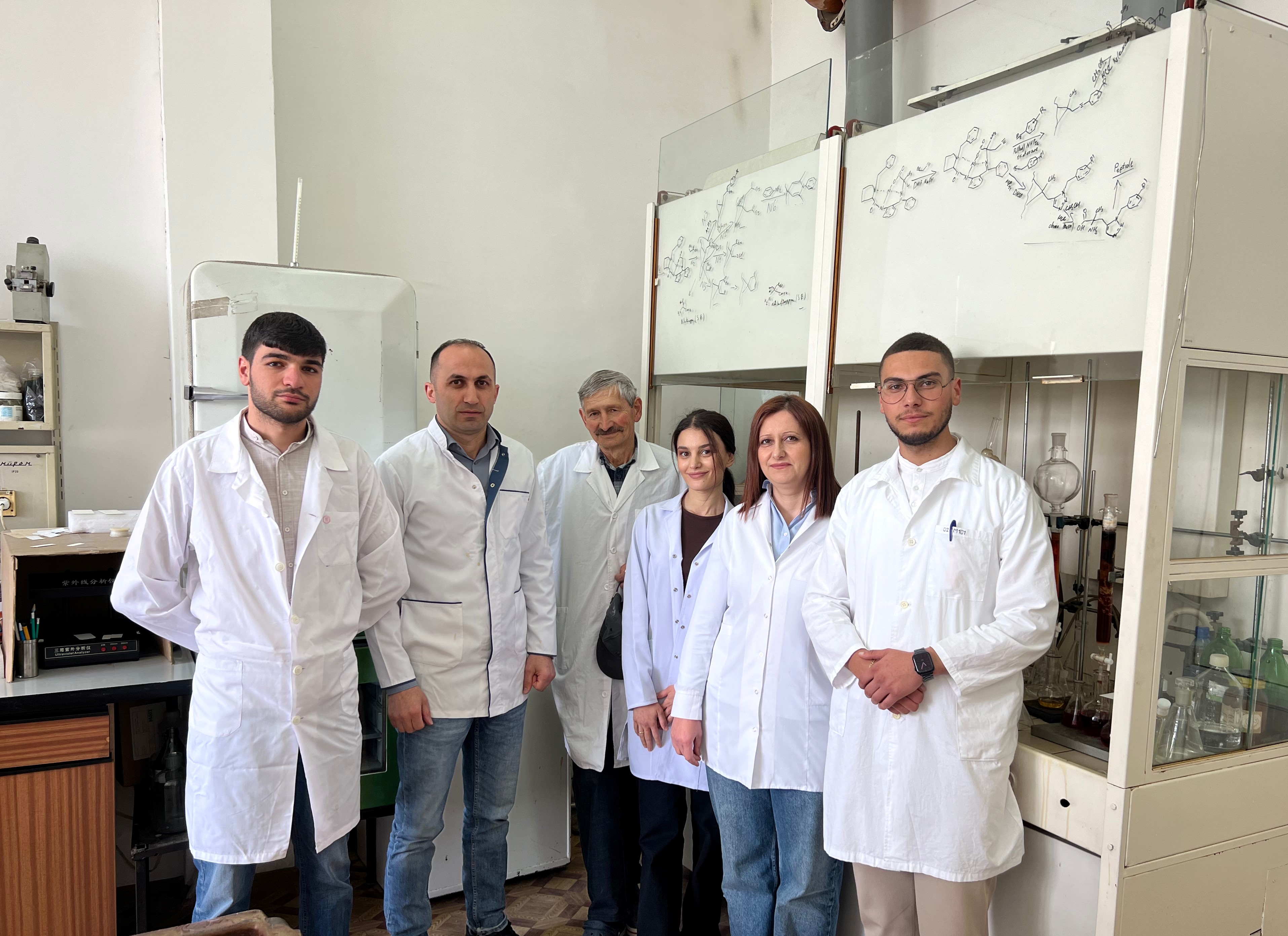
Established in 2023, the sector’s main research activity is focused on asymmetric catalysis, specifically on developing methods for the production of new non-proteinogenic amino acids (containing unsaturated alkene, alkyne, aryl, or heterocyclic groups) and bioactive peptides using click and cross-coupling reactions.


Head of the Laboratory
Zorayr Z. MARDIYAN Candidate of Chemical Sciences
+ 37495338747
Zmardiyan89@gmail.com,
zmardiyan@mail.ru

In the Sector of Organic Compound Synthesis, the preparation and investigation of new organoligands based on the obtained amino acids and peptides are also carried out in asymmetric catalysis.


Research projects/grants

1. 18RF-073 (2018-2020) «Programming and construction of catalytic systems of asymmetric synthesis based on electrostatic and hydrogen interactions between polyions with low molecular mass» (PM: Prof. A. Saghyan, DSc).
2. ISTC No. 2289 (2017-2020) «Synthesis and screening of a new generation of optically active non-proteinogenic α-amino acids, peptides and polymers containing unsaturated groups in the side chain», (PM: Prof. A. Saghyan, DSc).
3. 18T-1D317 (2018-2020) «Synthesis of new enantiomerically enriched amino acids containing 1,2,3-triazole groups substituted by Click reactions», (PM: Prof. A. Saghyan, DSc).
4. 21T-1D157 (2021-2024) «Synthesis of optically active derivatives of phenylalanine, target production of peptides based thereon and study of their biological activity» (PL: Z.Mardiyan, PhD).
5. 24RL-1D041 (2024-2029) «Synthesis of new enantiomerically pure nonprotein amino acids by cross-coupling, preparation of new peptides based on them, and investigation as organocatalysts in asymmetric synthesis» (Co-I: Z. Mardiyan, PhD):

Selected publications

1. Hakobyan H.I., Khachaturyan N.S., Gevorgyan S.A., Sargsyan T.H., Danghyan Yu.M., Saghyan A.S., Zakarian A., Mardiyan Z.Z., Synthesis of Nonnatural Amino Acid Derivatives with Ni Complexes and Investigation of the Antifungal Activity of Their Dipeptide Derivatives. Synlett, 2025, V. 63, (IF-1.7) https://doi.org/10.1055/a-2536-9046
2. Hakobyan H.I., Jamgaryan S.M., Sargsyan A.S., Danghyan Yu.M., Larionov V.A., Maleev V.I., Saghyan A.S., Mardiyan Z.Z., A Stereoselective Entry to Enantiopure (S)-2-Amino-2-methyl-5-arylpent-4-ynoic Acids and Evaluation of Their Inhibitory Activity against Bacterial Collagenase G. Symmetry, 2023, V. 15, 1924. https://doi.org/10.3390/sym15101924
3. Sargsyan A., Hakobyan H., Mardiyan Z., Jamharyan S., Dadayan A., Sargsyan T., Hovhannisyan N., Modeling, synthesis and in vitro screening of unusual amino acids and peptides as protease inhibitors. Journal of Chemical Technology and Metallurgy, 2023, V. 58 (3), pp. 615-620. https://doi.org/10.59957/jctm.v58i3.93
4. Gugkaeva Z.T., Mardiyan Z.Z., Smol’yakov A.F., Poghosyan A.S., Saghyan A.S., Maleev V.I., Larionov V.A., Sequential Heck cross-coupling and hydrothiolation reactions taking place in the ligand sphere of a chiral dehydroalanine Ni (II) complex: asymmetric route to β-aryl. Organic Letters, 2022, V. 24 (33), pp. 6230-6235, https://doi.org/10.1021/acs.orglett.2c02591.
5. Saghyan A.S., Mkrtchyan A.F., Mardiyan Z.Z., Hayriyan L.A., Belokon Yu.N., Langer P., Synthesis of Enantiomerically Enriched Non-Proteinogenic α-Amino Acids Using the Suzuki Reaction. ChemistrySelect, 2019, V. 4(16), pp. 4686-4688. (IF-1.716) https://doi.org/10.1002/slct.201900698
6. Parpart S., Mardiyan Z.Z., Ehlers P., Petrosyan A., Mkrtchyan A.F., Saghyan A.S., Langer P., Synthesis of Optically Pure (S,E)-2-Amino-5-arylpent-4-enoic Acids by Heck Reactions of Nickel Complexes. Synlett, 2018, V. 29, p. A–F. (IF-2.419) https://doi.org/10.1055/s-0037-1609094
7. Mardiayn Z.Z., Mkrtchyan A.F., Saghyan A.S., Synthesis of new achiral bis-alkylated analogs of glycine. Chemical Journal of Armenia, 2018, V. 71 (4), pp. 541-550.
8. Saghyan A.S., Belokon Yu.N., Langer P., Mkrtchyan A.F., Mardiyan Z.Z., Five-year achievements in the field of the asymmetric synthesis of unsaturated amino acids. Chemical Journal of Armenia, 2017, V.70 (1-2), pp. 54-70.
9. Petrosyan A., Ghochikyan T.V., Ejaz S.A., Mardiyan Z.Z., Khan Sh.U., Grigoryan T., Gevorgyan A., Samvelyan M.A., Galstyan A.S., Parpart S., Rahman Q., Iqbal J., Langer P., Synthesis of Alkynylated Dihydrofuran-2(3H)-ones as Potent and Selective Inhibitors of Tissue Non-Specific Alkaline Phosphatase. ChemistrySelect, 2017, V. 2, pp. 5677-5683, (IF-1.71) https://doi.org/10.1002/slct.201700339
10. Parpart S., Petrosyan A., Shah S.J.A., Adewale R.A., Ehlers P., Grigoryan T., Mkrtchyan A.F., Mardiyan Z.Z., Karapetyan A.J., Tsaturyan A.H., Saghyan A.S., Iqbal J., Langer P., Synthesis of optically pure (S)-2-amino-5-arylpent-4-ynoic acids by Sonogashira reactions and their potential use as highly selective potent inhibitors of aldose reductase. RSC Adv., 2015, No. 5, pp. 107400-107412. (IF-3.289) https://doi.org/10.1039/C5RA22407A

LABORATORY OF PROTEIN TECHNOLOGIES

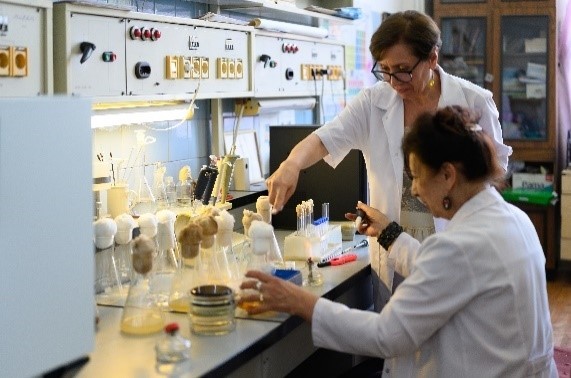
Laboratory of Protein Technologies was founded in 2010.


Head of the Laboratory
Artur A.HAMBARDZUMYAN
PhD in Biology
arthambardzumyan@gmail.com
Fields of Activity

  • Molecular biology:
  • Gene engineering, obtaining of cloning amplicons, gene expression, DNA, RNA, isolation, purification and characterization of protein and other molecules (melanin).
  • Biochemistry:
  • Determination of physicochemical and catalytic properties of enzymes, study of mechanisms of enzymatic catalysis and statistical analysis.
  • Biotechnology:
  • Development of technologies based on strain-producers, development of technologies based on enzymes and their immobilized forms.
  • Bioinformatics:
  • Search for genes based on genome analysis, design of primers, construction of genes based on sequence data and placement in international databases, investigation of ligand-macromolecular interaction by docking analysis.
  • Microbiology:
  • Detection of new bacteria, deciphering complete bacterial genomes, classification of bacteria based on 16S rRNA sequencing.
  • Biophysics:
  • Reconstruction and characterization of ionic channels in artificial bilayer lipid membranes, obtaining of a three-dimensional protein structure from homologous modeling and its application in molecular docking experiments.


Research main directions

  • Metagenomic sequencing, microbial whole-genome sequencing, and targeted gene sequencing using Oxford Nanopore Technologies (ONT) NGS.
  • Expression cloning of protein (enzyme) genes.
  • Isolation, purification, and characterization of recombinant and natural Cazymes for various biotechnological applications.
  • Isolation, purification, and characterization of recombinant and natural enzymes for asymmetric enzymatic synthesis of amino acids. Microbiological synthesis of amino acids.
  • Isolation, purification, and characterization of recombinant and natural microbial strains and enzymes for plastic degradation.
  • Bacterial melanin synthesis.
  • Obtaining of bacterial insecticidal preparations.
  • Obtaining of bacterial cellulose.

Main results

  • Sequencing of metagenomes, microbial whole genomes, and targeted genes (e.g., 16S rRNA and amplicons) using Oxford Nanopore Technologies (ONT) next-generation sequencing (NGS).
  • Obtaining of strain-producers of α-amylase of technological importance and development of technologies for the preparation of corresponding recombinant enzymes.
  • Obtaining of recombinant strain-producers of L-arginine (E. coli - up to 35 g / l and Br. flavum - up to 31 g / l) and study of physiological and biochemical properties of these strain-producers.
  • Obtaining of strain-producers of bacterial, water-soluble, biologically active melanin (particularly plant growth stimulators).
  • Obtaining of strain-producers and respective recombinant enzymes of L- and D-aminoacylases, L- and D- hydantoinases, L- and D-carbamoilases.
  • Isolation and characterization of a number of bacterial amino acid transaminases (alanine, aspartate, aromatic).
  • Clarification of a transport nature of overproduction of certain amino acid strain-producers (L-alanine, L-proline).
  • Development of technologies for the production of a number of enzymes: glucose oxidase, peroxidase, glutamate dehydrogenase, etc.
  • Characterization of potential ligands for a number of target proteins (EGFR, MAPK14, TLR4, etc.) by molecular docking.

Main objectives and tasks

It is planned to obtain biologically active substances (BAS) and their strain-producers through genetic selection, gene engineering, biochemical engineering, and immunological methods, and to study them using biochemical and immunological techniques. In particular, the aim is to create objects in the following classes:

  • High-purity enzymes and proteins (natural and recombinant) for analytical and practical purposes.
  • Various immobilized enzymes and biocatalysts with improved characteristics (such as activity, stability, and possible functionality in anhydrous or low-water mixtures) for use in different types of biotransformation processes.
  • Monoclonal and polyclonal antibodies.
  • Vaccines of various generations (including protein constructs and recombinant DNA constructs carrying genes for antigenic epitopes).
  • Recombinant strains for the production of amino acids, peptides, proteins (enzymes), and vaccines.

Research projects/grants

1. 20APP-4C018 (2020-2022) «Obtaining and use of insecticidal preparations and plant growth stimulants based on strains of Bacillus thuringiensis» (PL: S. Avetisyan, PhD).
2. SCS MES RA-BRFBR 18BL-040 (2018-2020) «Use of bacterial melanin as a stimulant for growth and development of rare pharmaceutical and local high ornamental plants», (PM: A. Hovsepyan, PhD).
3. ISTC #A 2289 (2017-2020) «Synthesis and screening of a new generation of optically active non-proteinogenic α-amino acids, peptides and polymers containing unsaturated groups in the side chain» (PM: Prof. A. Saghyan, DSc).
4. 16GE-034 (2017-2019) «Application of of hyperthermophil carbamoylase in enzymatic hydrolysis of N-carbamoyl-D-amino acids» (PM: A. Hovsepyan, PhD).
5. ANSEF Plant-4720 (2017) «New high-efficiency insecticidal preparations based on the melaninogenic strains of Bacillus thuringiensis», (PM: S. Avetisyan, PhD).
6. SCS MES RA-BRFBR-2016 ՀԲ16-53 (2016-2018) «Preparation and application of biopreparations based on the Bacillus thuringiensis for promoting plant growth and protection against pests» (PM: A. Hovsepyan, PhD).
7. 16YR-2I068 (2016-2018) «Targeted modification of recombinant D-hydroxinase of Geobacillus stearothermophilus to improve the catalytic properties of the enzyme» (PM: H. Aganyants, PhD).
8. 16YR-2I016 (2016-2018) «Obtaining of the strain-producer of α-amylase on the base of the gene of Bacillus amyloliquefaciens α-amylase and recombinant enzyme characterization» (PM: A. Paloyan, PhD).
9. ANSЕF biоtеch-4241 (2016) «Microbial melanin as a means of preclinical study of potential treatment for Parkinson’s disease using neurodegeneration models» (PM: A. Hovsepyan, PhD).
10. SCS MES RA-BRFBR-2014 13РБ-063 (2014-2016) «Stimulation of plant growth and development by the use of bacterial melanin synthesized by the insecticidal strain of Bacillus thuringiensis K1» (PM: A. Hovsepyan, PhD).
11. ANSEF No. 3560 (2014) «Bacillus thuringiensis strain melanin as a stimulant for plant growth in agricultura» (PM: S. Avetisyan, PhD).
12. 13-2I344 (2013-2015) «Construction of recombinant strains possessed by high activity of hydantoinase, isolation and characterization of hydantoinase» (PM: A. Hovsepyan, PhD).
13. 13-2I359 (2013-2015) «Cloning of technologically valuable α-amylase and glucoamylase genes and characterization of relevant enzymes» (PM: A. Hambardzumyan, PhD).
14. 11-2i381 (2011-2013) «Derivation of strains carrying recombinant plasmids encoding inducible D- and L-aminoacylase and characterization of relevant enzymes» (PM: A. Hambardzumyan, PhD).
15. ANSEF No. PS-chemorg-2339 (2011) «Synthesis of new neuroprotective drugs on the basis of small, substituted carbocycles, preliminary assessment of physiological activities by docking analysis and electrophysiological measurements» (PM: A. Mikaelyan).
16. ISTC #A 1868 (2010-2012) «Development of a new technology for the production of environmentally friendly complex biofertilizers based on nitrogen-fixing bacteria and modified zeolites» (PM: H. Sargsyan).
17. ISTC #A 1866 (2010-2012) «Natural biological compounds (peptides) with bactericidal properties against various pathogens» (PM: F. Tkhruni, PhD).
18. ISTC # A-1677 (2009-2011) Synthesis of ά-amino acids and peptides substituted in potentially bioactive heterocycles. Study of their antibacterial, antiviral and anti-tumor properties, (PM: A. Geolchanyan, PhD).

Selected publications

1. Aghajanyan A.E., Hambardzumyan A.A., Minasyan E.V., Hovhannisyan G.J., Yeghiyan K.I., Soghomonyan T.M., Avetisyan S.V., Sakanyan V.A., Tsaturyan A.H., Efficient isolation and characterization of functional melanin from various plant sources. International Journal of Food Science and Technology, 2024, V.59(6), pp. 3545-3555, https://doi.org/10.1111/ijfs.17016 .
2. Avetisyan S.V., Koloyan H.O., Paronyan M.H., Petrosyan T.R., Hovsepyan A.S., Hydrophilic melanin as a potential hair growth stimulant: A secondary observational study. J Cosmet Dermatol. 2024, V.23(12), pp.4369-4370, https://doi.org/10.1111/jocd.16504.
3. Ghevondyan D., Soghomonyan T., Hovhannisyan P., Margaryan A., Paloyan A., Birkeland N.-K., Antranikian G., Panosyan H., Detergent-resistant α-amylase derived from Anoxybacillus karvacharensis K1 and its production based on whey. Sci. Rep. 2024, V.14, 12682, https://doi.org/10.1038/s41598-024-63606-7.
4. Paronyan M., Koloyan H., Aganyants H., Hambardzumyan A., Soghomonyan T., Avetisyan S., Kocharov S., Panosyan H., Sakanyan V., Hovsepyan A., Structural Analysis and Substrate Specificity of D-Carbamoylase from Pseudomonas. BioTech. 2024, V.13(4):40, https://doi.org/10.3390/biotech13040040.
5. Soghomonyan T., Hambardzumyan A., Mkhitaryan A., Khoyetsyan L., Paronyan M., Izmailyan M., Kinosyan M., Bagiyan V., Ghochikyan V., Panosyan H., Paloyan A., Obtaining and Characterizing Thermostable α-Amylases Secreted by Bacillus subtilis, Originating from Bacillus amyloliquefaciens and Bacillus subtilis. Fermentation. 2024; V.10 (11), 547, https://doi.org/10.3390/fermentation10110547 .
6. Burkhardt Ch., Baruth L., Meyer Heydecke N., Klippel B., Margaryan A., Paloyan A., Panosyan H. H., Antranikian G., Mining thermophiles for biotechnologically relevant enzymes: evaluating the potential of European and Caucasian hot springs. Extremophiles, 2024, V. 28, 5, pp.1-27. https://doi.org/10.1007/s00792-023-01321-3.
7. Paloyan A., Sargsyan A., Karapetyan M.D., Hambardzumyan A., Kocharov S., Panosyan H., Dyukova K., Kinosyan M., Krueger A., Piergentili C., Stanley W.A., Djoko K.Y., Basle A., Marles-Wright J., Antranikian G. Structural and biochemical characterisation of the N-carbamoyl--alanine amidohydrolase from Rhizobium radiobacter MDC 8606. FEBS Journal, 2023, V.290, pp.5566-5580, https://doi.org/10.1111/febs.16943.
8. Danielyan M., Nebogova K., Simonyan R., Hovsepyan A., Avetisyan Z., Simonyan K., Simonyan G., Khachatryan V., Karapetyan K., Regulatory effect of bacterial melanin on the isoforms of new superoxide-producing associates from rat tissues in rotenoneinduced Parkinson’s disease. BMC Neuroscience, 2023, V.24:69, pp.1-8, https://doi.org/10.1186/s12868-023-00838-9.
9. Poladyan A., Trchounian K., Paloyan A., Minasyan E., Aghekyan H., Iskandaryan M., Khoyetsyan L., Aghayan S., Tsaturyan A., Antranikian G., Valorization of whey based side streams for microbial biomass, molecular hydrogen, and hydrogenase production. Applied Microbiology and Biotechnology, 2023, V.107, pp. 4683–4696. https://doi.org/10.1007/s00253-023-12609-x.
10. Paloyan A., Dyukova K., Hambardzumyan A., Characterization of Glucose Oxidase from Penicillium Chrysogenum MDC 8358: Prospects for application in food industry. Functional Foods in Health and Disease, 2023, V.13(11), pp. 616-631. https://doi.org/10.31989/ffhd.v13i11.1216.
11. Handl J., Nyvltova P., Capek J., Cesla P., Hovsepyan A., Avetisyan S., Micankova P., Bruckova L., Stankova P., Knotkova K., Petrosyan T., Rousar T., The comparison of biological effects of bacterial and synthetic melanins in neuroblastoma cells. Food and Chemical Toxicology, 2022, V.168, 113355 (1-10) https://doi.org/10.1016/j.fct.2022.113355.
12. Aganyants H., Weigel P., Hovhannisyan Ye., Lecocq M., Koloyan H., Hambardzumyan A., Hovsepyan A., Hallet J.-N., Sakanyan V., Rational Engineering of the Substrate Specificity of a Thermostable D-Hydantoinase (Dihydropyrimidinase). High-Throughput 2020, V. 9, Issue 1, 5, pp.1-15, https://doi.org/10.3390/ht9010005..
13. Koloyan H., Avetisyan S., Paronyan M., Aganyants H., Hovsepyan A., Obtaining new recombinant strains of Brevibacterium flavum containing heterologous Geobacillus stearothermophilus gene argJ. Res. J. Biotech., 2020, V.15 (5), pp. 75–81. https://worldresearchersassociations.com/Archives/RJBT/Vol(15)2020/May2020.aspx.

LABORATORY OF ECOLOGICAL SAFETY

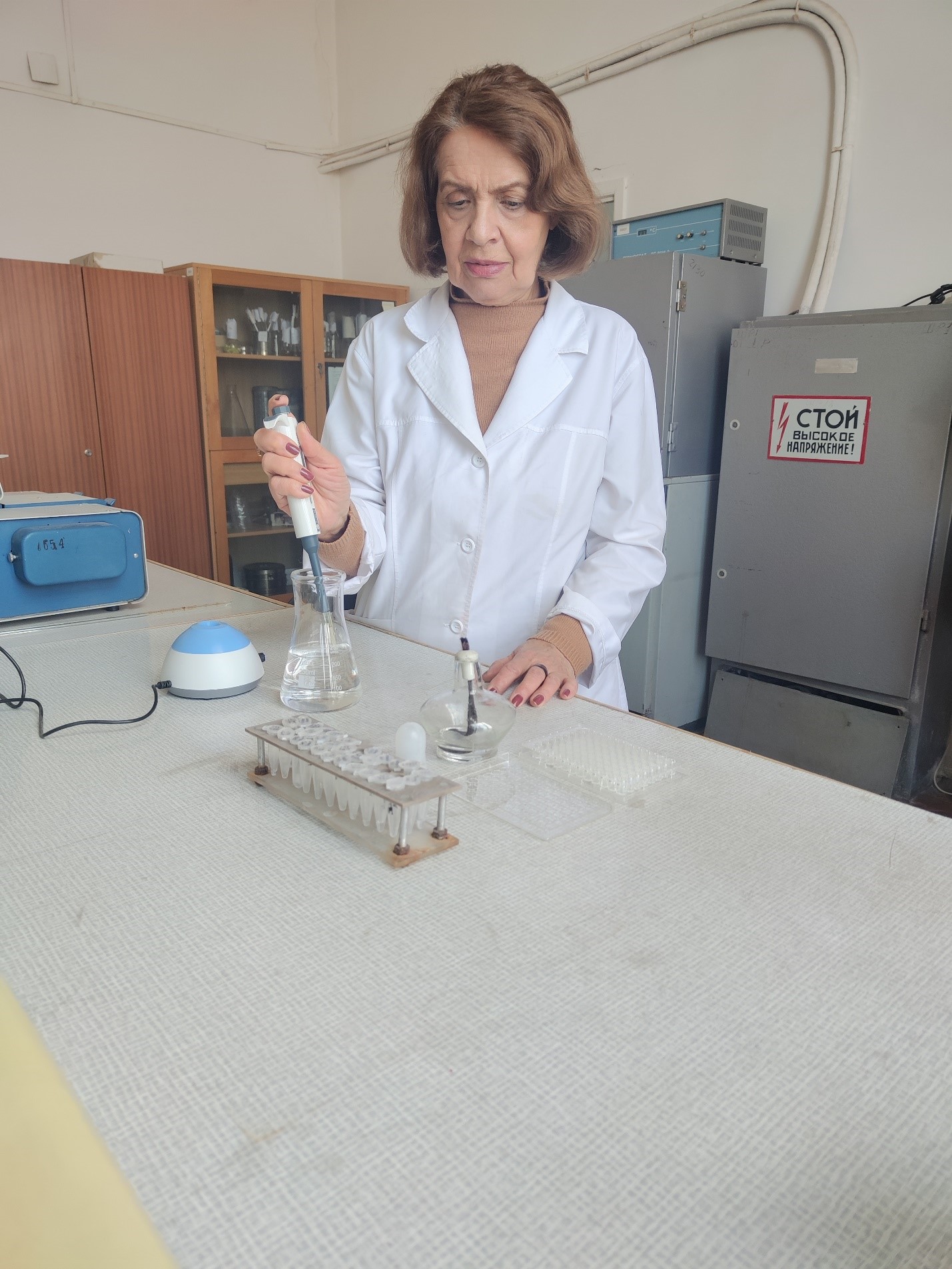
The Laboratory of Ecological Safety was founded on the basis of Metabolic Engineering Laboratory at the SPC «Armbiotechnology» NAS RA. The scientific activity of the lab relates to the study of multiple-drug resistant bacteria and the development of effective anti-infective compounds. The main goal of the research is to identify effective compounds with antimicrobial properties and inhibitors of bacterial extracellular proteases, which may be useful in the process of creating new drugs.


Head of the Laboratory
Nelli A. HOVHANNISYAN
PhD in Biology
+ 374 10 65 41 80
nelliog@yahoo.fr
Research main directions

  • The genetics of antibiotic-resistant strains from the collections of MDC and NIH (National Institute of Health after Acad. S. Avdalbekyan, RA), the identification of the genes responsible for antibiotic resistance, the spread of these genes and their horizontal transfer.
  • The modeling and design of non-protein amino acids and synthetic peptides by using in silico methods aimed at creating compounds with valuable biological activities.
  • Screening and selection of compounds with antimicrobial activity, elucidation of their mechanisms of action and specificity.
  • Search for inhibitors of target enzymes and study of their inhibition mechanisms.
  • Study of bacterial extracellular proteases activities, finding of their inhibitors.

Main results

  • The antibiotic resistance of bacteria (ABR) belonging to the Enterobacteriaceae family was determined. It has been shown that about 300 strains studied exhibit different ABR, this property is being preserved for a long time (decades) under non-selective cultivation conditions. The presence of genes ensuring stability and their location in the genome - plasmid/chromosome - was determined in ABR strains. The possibility of interspecific horizontal transfer of genes through transformation was shown.
  • New inhibitors of serine proteases were identified and studied; the mechanisms of inhibition were elucidated.
  • The compounds that suppress the growth of Enterobacteriaceae family strains were identified, being not inferior in their effectiveness to antibiotics.
  • Inhibitors of trypsin, clostridial collagenase, proteinase K, as well as inhibitors of extracellular proteases of drug-resistant representatives of the genera Pseudomonas and Stenatrophomonas have been identified. The identified inhibitors may serve as the basis for the creation of future anti-infective drugs.


    The scientists of laboratory are involved in the international and local projects. The laboratory collaborates with local (Yerevan State University, the National Polytechnic University of Armenia, and the National Agrarian University of Armenia), and foreign organizations to carry out joint studies. The young specialists have been engaged in research conducted at foreign universities.

Research projects/grants

1. ISTC #2075 (2022-2025) «Target-directed synthesis and screening of antiviral (anti-SARS-CoV) and antibacterial compounds based on non-proteinogenic amino acids, peptides and polymers» (PM: A. Dadayan, PhD).
2. 21T-2H138 (2021-2022) «Associations of microscopic fungi and microalgae, their metabolic activity» (PM: N. Hovhannisyan, PhD).
3. 19YR-2I018 (2019-2021) "Modeling, target synthesis of non-protein amino acids as potential inhibitors of collagenase enzyme and their activity in vitro study" (PM: T. Sargsyan, PhD)
4. 18T-21036 (2018) «The genetic study of plasmids isolated from antibiotic-resistant Pseudomonas strains», (PM: A. Hovhannisyan, PhD).
5. ANSEF microbio-5133 (2018) «Genetic study of plasmids from antibiotic-resistant Pseudomonas strains», (PM: A. Sargsyan, PhD).
6. ISTC #A-2889 (2018-2021) «Synthesis and screening of a new generation of optically active non-proteinogenic α-amino acids, peptides and polymers containing unsaturated groups in the side chain», (PM: Prof. A. Saghyan, DSc).
7. 15T-1F241 (2015-2017) «The ways to overcome antibiotic resistance of Pseudomonas aeruginosa and Klebsiella pneumonia strains», (PM: A. Hovhannisyan, PhD).

Selected publications

1. Oghanesyan N.A., Kurakov A.V., Khachaturyan N.S., Gevorgyan S.A., Matevosyan R.E., Bagiyan V.A., Co-cultivation of fungi and microalgae for biotechnology. Mycology and Phytopathology, 2024, V.58, N6, pp. 435-445. https://doi.org/10.31857/S0026364824060029
2. Sargsyan A.S., Karapetyan L.T., Mkhitaryan A.V., Stepanyan L.A., Sargsyan T.H., Danghyan Yu.M., Sargsyan A.V., Oganezova G.G., Hovhannisyan N.A., Modeling, synthesis and in vitro testing of peptides based on unusual amino acids as potential antibacterial agents. Biomeditsinskaya Khimiya. 2024, V.70 (6), pp. 413-420. http://pbmc.ibmc.msk.ru/en/issues-en/PBMC-2024-70-6/
3. Pramanik Sh., Singh A., Abualsoud B. M., Deepak A., Nainwal P., Sargsyan A.S, Bellucci S., From algae to advancements: laminarin in biomedicine, RSC Advances, 2024, V.14, N5, pp. 3209-3231. https://doi.org/10.1039/D3RA08161C
4. Pramanik Sh., Alhomrani M., Alamri A.S, Alsanie W.F., Nainwal P., Kimothi V., Deepak A., Sargsyan A.S., Unveiling the versatility of gelatin methacryloyl hydrogels: a comprehensive journey into biomedical applications, Biomedical Materials, 2024, V.19, N4, p. 042008. https://doi.org/10.1088/1748-605X/ad4df7
5. Iwanov I., Kaloyanov N., Lumov N., Sargsyan A., Neykov M., From Cyclic Ribopyranose to Furfural-New Insight and New Concept, Biomed J Sci & Tech Res, 2024, V. 56, N1, pp. 47675-47680. https://doi.org/10.26717/BJSTR.2024.56.008794
6. Sargsyan A., Hakobyan H., Mardiyan Z., Jamharyan S., Dadayan A., Sargsyan T., Hovhannisyan N., Modeling, synthesis and in vitro screening of unusual amino acids and peptides as protease inhibitors. Journal of Chemical Technology and Metallurgy, 2023, V. 58 (3), pp. 615-620. https://journal.uctm.edu/j2023-3
7. Mkrtchyan A.F., Paloyan A.M., Hayriyan L.A., Sargsyan A.S., Tovmasyan A.S., Karapetyan A.J., Hambardzumyan A.A., Hovhannisyan N.A., Panosyan H.A., Khachatryan H.N., Dadayan A.S., Saghyan A.S., Synthesis of enantiomerically enriched nonprotein α-amino acids and their study as aldose reductase inhibitors. Synthetic Communications, 2021, V.51:9, pp.1433-1450. ttps://doi.org/10.1080/00397911.2021.1887258.
8. Delegan Y., Sargsyan A., Hovhannisyan N., Babayan B., Petrikov K., Vainstein M., Analysis of genome sequence and trehalose lipid production peculiarities of the thermotolerant Gordonia strain. J. Basic Microbiol. 2020, V. 60(1), pp.14-21, https://doi.org/10.1002/jobm.201900439.
9. Shahinyan G.A., Dadayan A.S., Hovhannisyan N.A., Markarian Sh.A., Study of the interaction of novel nonprotein amino acids with trypsin by steady-state fluorescence spectroscopy. Journal of Fluorescence. 2020, V. 30(2), pp. 229-233, https://doi.org/10.1007/s10895-020-02504-3.
10. Keleshyan S.K., Karapetyan Z.V., Chakhalyan A.K., Hovhannisyan N.A., Avetisova G.Y., Chitchyan M.B., Oganezova G.G., Melkumyan M.A., Avetisyan N.S., Melkonyan L.H., Influence Of Glutamate Dehydrogenase Activity On L-Proline Synthesis Applied Biochemistry and Microbiology, 2017, V. 53 (5), pp. 470-476, https://doi.org/10.7868/S0555109917050063

LABORATORY OF BAS STRAIN-PRODUCERS AND BIOSYNTHESIS

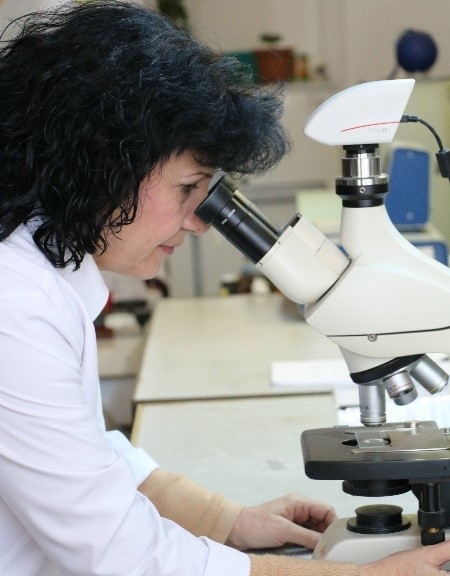
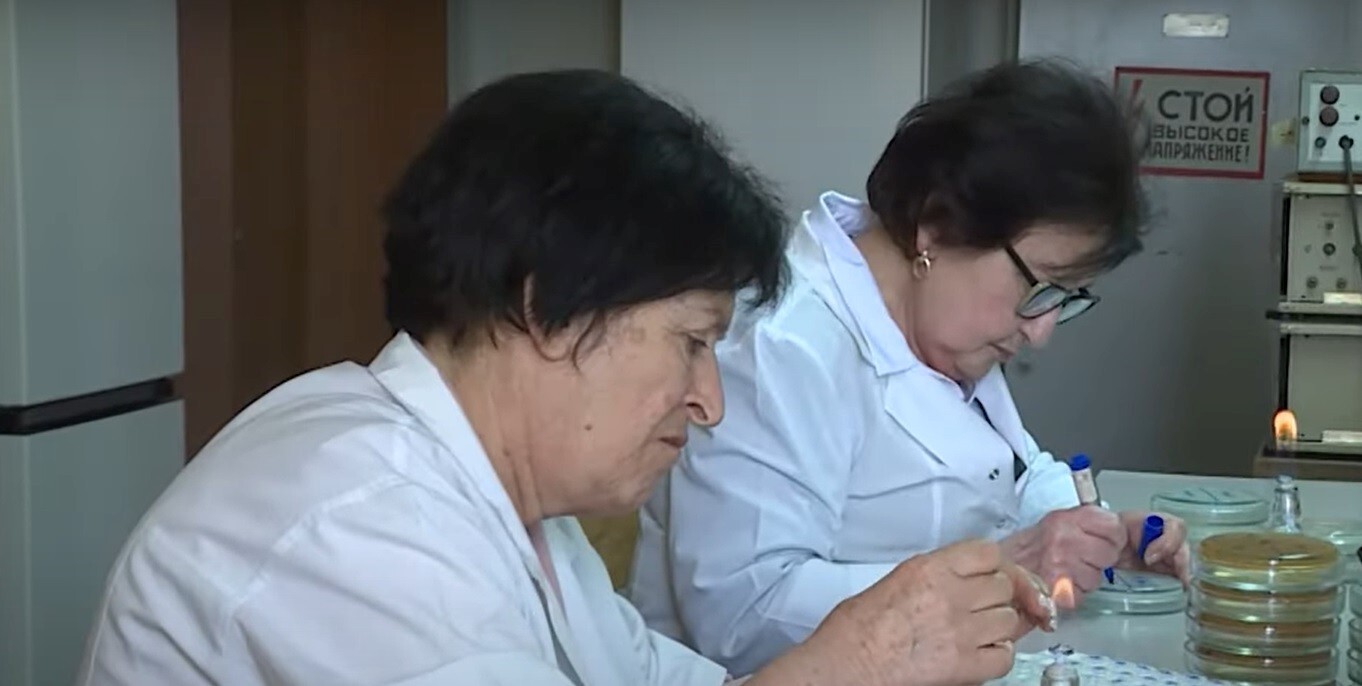
The Laboratory of BAS Strain-Producers and Biosynthesis was founded in 2018 as a result of merging the Laboratories of Biosynthesis and Agricultural Biotechnology. The scientific activities of the laboratory are:

  • Obtaining of L- and D-amino acids strain-producers and strain-restructures, inulin, α- and β-cyclodextrins, cyclofructans, glucose-fructose, inulin oligosaccharide and fructose-terminated oligosaccharide syrups, bactorenin, inulinase, CGTase, CFTase, α-amylase, glucoamylase enzymes, biofertilizers, bioinsecticides and other biologically active substances (BAS)
  • Transglycosylation of sweet glycosides (stevioside and rebaudioside A) of plant Stevia Rebaudiana Bertoni
  • Preservation of the collection of strain-producers.

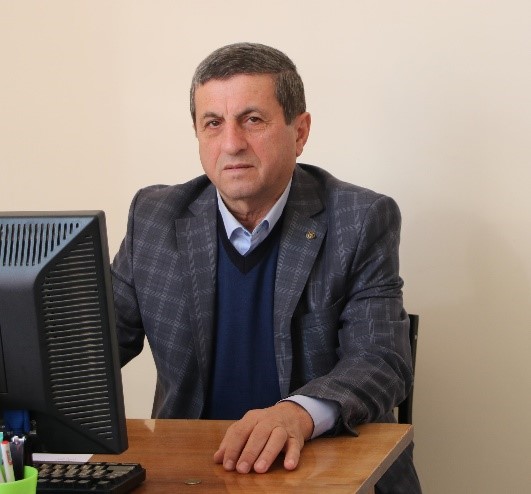
Head of the Laboratory
Vahe T. GHOCHIKYAN
PhD in Biology
+ 374 10 65 41 80
vahe-ghochikyan@yandex.ru
Research main directions

  • Production of biologically active substances through microbiological and biocatalytic methods; development and improvement of technologies, laboratory and pilot-scale protocols; and organization of production processes.
  • Obtaining of BAS strain-producers by genetic and selection methods, study of their physiological and biochemical properties.
  • Isolation and study of nitrogen-fixing microorganisms; development of technologies for various types of biofertilizers based on these strains using biotechnological methods.


Main results

  • 1990: Evaluation and purchase and sale agreement on the production of L-lysine strain-producer between Biochemistry Factory of Tripoli (Ukraine) and Research Technological Institute of Amino Acids (currently SPC «Armbiotechnology» NAS RA).
  • 1993: Purchase and sale agreement for the production technology for strain-producer of L-proline between Degussa Corporation (Germany) and Scientific Research Institute of Biotechnology CJSC (hereinafter referred to as SPC «Armbiotechnology» NAS RA).
  • 2001-2004: Agreement between the Scientific Research Institute of Biotechnology CJSC and the Institute of Applied Microbiology of Chinese Academy of Agricultural Sciences of Xinjiang Province on laboratory study of L-proline, L-alanine, L-histidine and L-arginine strain-producers, their improvement and transfer to the latter along with production technologies.
  • 2004-2005: Agreement on scientific cooperation (contract on the production technology, evaluation, purchase and sale of strain-producer of L-proline) between Degussa/Rexim Corporation (Germany) and Scientific Research Institute of Biotechnology CJSC.
  • 2008: Evaluation and purchase and sale agreement for L-histidine between Evonik Degussa GmbH Corporation and Scientific Research Institute of Biotechnology CJSC.
  • Patented production technology for «Azozeovit-1» biofertilizer was developed, on the basis of which a large-scale production was organized on the experimental manufacturing base of the SPC «Armbiotechnology» NAS RA.
  • The production technology for «Ecobiofeed+» biological preparation was developed, on the basis of which it is currently produced on the experimental manufacturing base of the SPC «Armbiotechnology» NAS RA.
  • A method for producing inulin from various plant raw materials has been improved, which allows to increase the purity and yield of the final inulin product.


  • The production technology for α- and β-cyclodextrins from starch was developed, which allows to obtain cyclodextrins of pharmaceutical purity.
  • To improve the aftertaste properties of stevioside and rebaudioside A, a transglycosilation method for sweet glycosides of plant Stevia Rebaudiana Bertoni was developed using CGTase enzyme.


Main goals and objectives

Development of modern production technologies for the synthesis of biologically active substances using microbiological and biocatalytic methods, and organization of production processes for their application in the fields of food industry, pharmaceutics, and agriculture.
Research projects/grants

1. Project #AB16-15 (2017-2019) «Effect of salinity on nitrogen-fixing soil microflora of Armenia and Belarus. Obtaining of new strains for recultivation of saline soils» (PM: S. Keleshyan, PhD).
2. Project #203719 (2017) «Short Term Conference and Travel Grant» Calouste Gulbenkian Foundation Individual Grant (G: L. Melkonyan, PhD).
3. Project #16YR-2I068 (2016-2018) «Targeted transformation of the Geobacillus stearothermophilus recombinant D-Hydantoinase to improve the catalytic properties of the enzyme» (PM: H. Aganyants, PhD).
4. Project #16YR-2I016 (2016-2018) «Obtaining Strain-Producer of ɑ-Amylase on the Basis of ɑ-Amylase Gene of Bacillus amyloliquifaciens and Characterization of the Recombinant Enzyme» (PM: A. Paloyan, PhD).
5. Project #13-7270 (2014) «Short Term Conference and Travel Grant» Calouste Gulbenkian Foundation Individual Grant (G: L. Melkonyan, PhD).
6. Project #13-2I359 (2013-2015) «Cloning of Genes of Alfa-Amylase and Glucoamylase of Technological Value and Characterization of Corresponding Enzymes» (PM: A. Hambardzumyan, PhD).
7. ISTC #A-1866 (2010-2013) «Natural biological substances (peptides) with bactericidal properties toward various pathogens» (PM: F. Tkhruni, PhD).
8. ISTC #А-1868 (2010-2012) «Development of the new production technology of ecological safe complex biofertilizer based on nitrogen-fixing microorganisms and modified zeolites», (PM: G. Avetisova, PhD).

Selected publications

1. Soghomonyan T., Hambardzumyan A., Mkhitaryan A., Khoyetsyan L., Paronyan M., Izmailyan M., Kinosyan M., Bagiyan V., Ghochikyan V., Panosyan H., Paloyan A., Obtaining and Characterizing Thermostable α-Amylases Secreted by Bacillus subtilis, Originating from Bacillus amyloliquefaciens and Bacillus subtilis. Fermentation, 2024, V.10 (11), 547. https://doi.org/10.3390/fermentation10110547.
2. Keleshyan S., Karapetyan Zh., Toplaghaltsyan A., Khachaturyan N., Chitchyan K., Gevorgyan S., Melkonyan L., Ghochikyan V., Tsarukyan G., Avetisova G., Antibiotic-resistant mutants of lactic acid bacteria: potential food control agents. Bioactive Compounds in Health and Disease, 2024, V.7, N9, pp. 430-443. https://www.doi.org/10.31989/bchd.v7i9.1424.
3. Avetisova G., Melkonyan L, Ghochikyan V., Tsarukyan G., Toplaghaltsyan A., Karapetyan Zh., Keleshyan S., Biofertilizer based on Agrobacterium as a key to food security. Bioactive Compounds in Health and Disease. 2024, V.7, N10, pp. 558-569. https://www.doi.org/10.31989/bchd.v7i10.1423.
4. Toplaghaltsyan A., Karapetyan Z., Keleshyan S., Avetisova G., Melkonyan L., Tsarukyan G., Ghochikyan V., Enzymatic activity of nitrogen-fixing bacteria isolated from armenian saline soils. International Scientific Conference on Microbial Biotechnology (5th edition), Chisinau, Moldova, 2022, pp. 55-60. https://doi.org/10.52757/imb22.38.
5. Keleshyan S.K., Karapetyan Z.V., Toplaghaltsyan A.G., Avetisova G.Ye., Melkonyan L.H., Vardanyan A.A., Ghochikyan V.T., Obtaining Osmo resistant Mutants in Nitrogen Fixing Bacteria Isolated from Saline Soils. Current Microbiology. 2022, V. 79, 251 https://doi.org/10.1007/s00284-022-02948-9.
6. Ferreira A., Ribeiro B., Ferreira A.F., Tavares M.L.A., Vladic J., Vidović S., Cvetkovic D., Melkonyan L., Avetisova G., Goginyan V., Gouveia L., Scenedesmus obliquus microalga-based biorefinery - from brewery effluent to bioactive compounds, biofuels and biofertilizers – aiming a circular bioeconomy. Biofuels, Bioproducts and Biorefineries, 2019, V. 13, No. 5, pp. 1169-1186. https://doi.org/10.1002/bbb.2032.
7. Keleshyan S.G., Karapetyan Z.V., Toplaghaltsyan A.G., Avetisova G.Ye., Melkonyan L.H., Ghochikyan V.T., Characteristics of the Microflora of Saline Soils of Armenia. Storage and Processing of Farm Products, 2019, V. 1, pp. 76-85.
8. Sarikyan K.M., Sargsyan G.J., Avetisova G.Ye., Melkonyan L.H., «Azozeovit-1» new biofertilizer for organic vegetable and its testing on planting stocks of pepper and eggplant in Armenia. 3th International Scientific and Practical Conference «Science week in Kruty-2017», March 13-14, 2017, Kruty, Chernihiv region, Ukraine, pp. 264-271.
9. Melkonyan L.H., Stepanyan S.Kh., Avetisova G.Ye., Sarikyan K.M., New «Ecobiofeed +» biopreparation for organic agruculture and its testing on planting stocks of tomato in Armenia. International Scientific-practical Conference of Young Scientists «Innovative Approaches and Perspective Ideas of Young Scientists in Agrarian Sciences», November 17, 2017, Kainar, pp. 384-387.
10. Avetisyan L.G., Chavushyan V.A., Simonyan K.V., Ghochikyan V.T., Hovhannisyan L.E., Babakhanyan M.A., Impact of stevioside on indices of the functional recovery of rat’s injured sciatic nerve in conditions of fructose-rich diet. Medical Science of Armenia. 2017, 1(57) pp. 67-79.

Patents

1. A. Vardanyan, A. Aghajanyan, A. Hovsepyan, A. Saghyan, Method for microbiological obtaining of water-soluble melanin // RA Patent No. 3328 A, 2019.
2. A. Vardanyan, A. Aghajanyan, S. Harutyunyan, Method for obtaining of D-amino acids from racemate // RA Patent No. 3132 A, 2017.
3. M. Babakhanayan, L. Hovhannisyan, H. Hovsepyan, A. Ghukasyan, Kh. Nahapetyan, V. Chavushyan, V. Ghochikyan, R. Harutyunyan, Sh. Zaqaryan, Cultivation method of Lycium barbarum L. // RA Patent No. 3059 A, 2016.
4. A. Aghajanyan, F. Tkhruni, G. Hovhannisyan, K. Yeghyan, A. Vardanyan, A. Saghyan, Method for isolation and purification of bio inhibitor from culture liquids // RA Patent No. 2925 A, 2015.
5. G.Ye. Avetisova, Method of producing biological fertilizer based on nitrogen-fixing bacteria (versions) // RA Patent No. 2713 A, 2013.
6. G.Ye. Avetisova, L.H. Melkonyan, A.Kh. Chakhalyan, A.S. Saghiyan, Method of L-alanine production // RA Patent No. 2691 A, 2012.
7. G.Ye. Avetisova, H.H. Sargsyan, L.H. Melkonyan, L.A. Chil-Hakobyan, A.Kh. Chakhalyan, R.G. Gevorkyan, A.H. Vardanyan, A.S. Saghiyan, «Azoceovit 1» Method of production of ecologically Method for producing ecologically clean complex biofertilizer // RA Patent No. 2232 A, 2008.
8. A.H. Vardanyan, A.E. Aghajanyan, G.Ye. Avetisova, L.H. Melkonyan, A.Kh. Chakhalyan, A.S. Saghiyan, Method of L-alanine production // RA Patent No. 2239 A, 2008.
9. V.H. Abelyan, V.T. Ghochikyan, A.A. Markosyan, M.O. Adamyan, L.A. Abelyan, Extraction, separation and modification of sweet glycosides from the stevia rebaudiana plant // USA, 0134292A1, 19 p., 2006.

LABORATORY OF GALENIC AND NOVOGALENIC PREPARATIONS

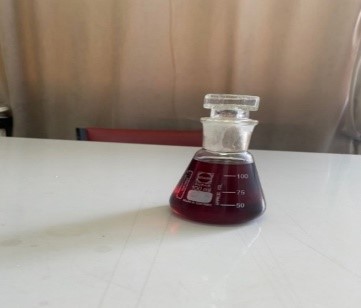
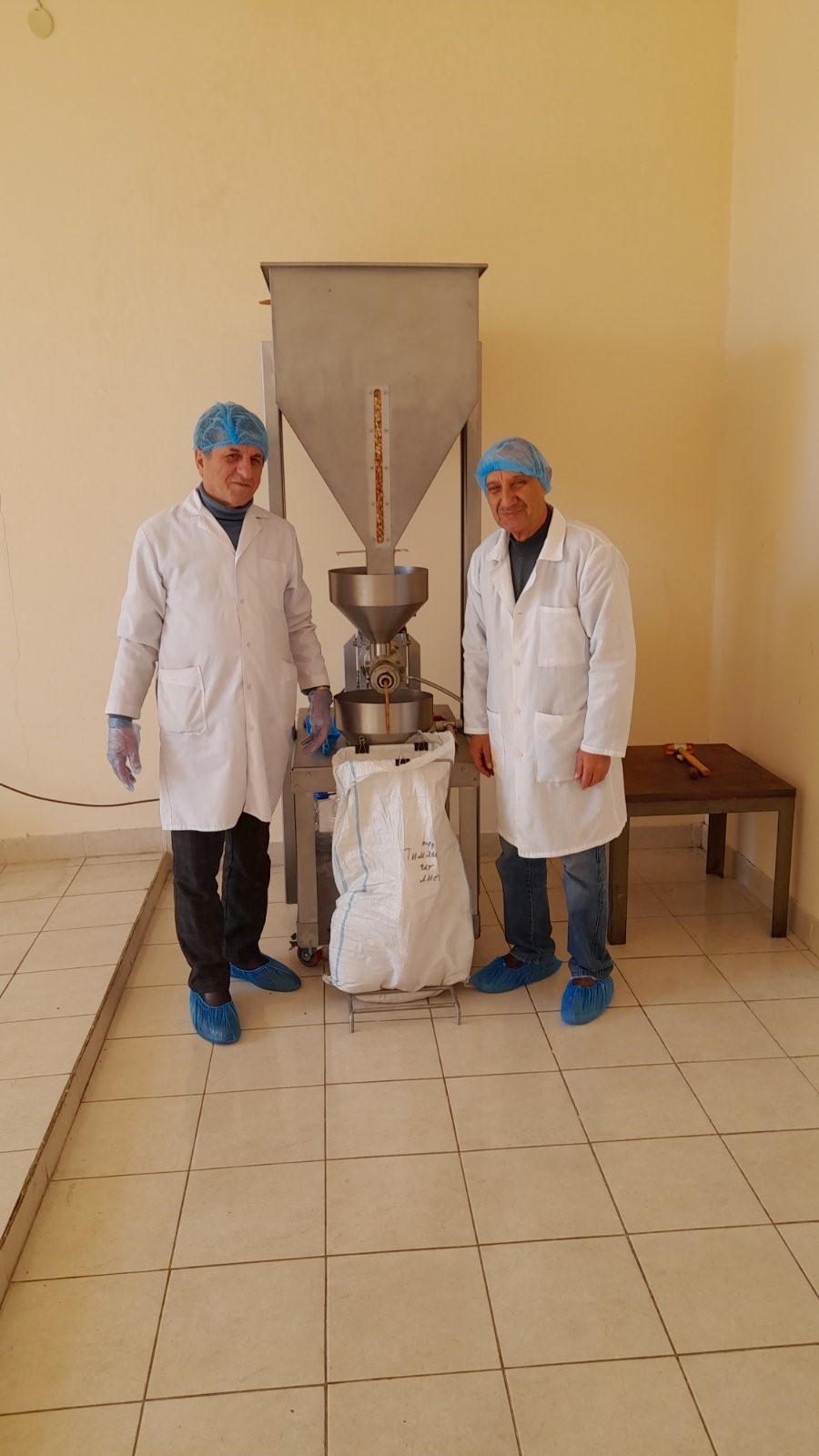
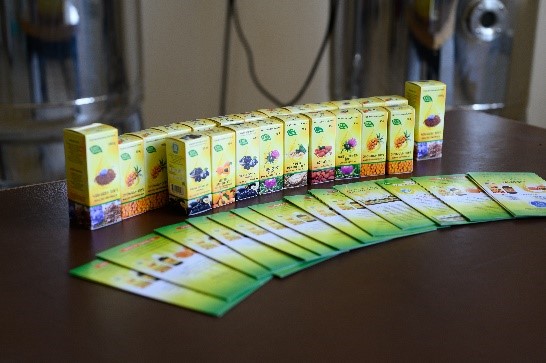
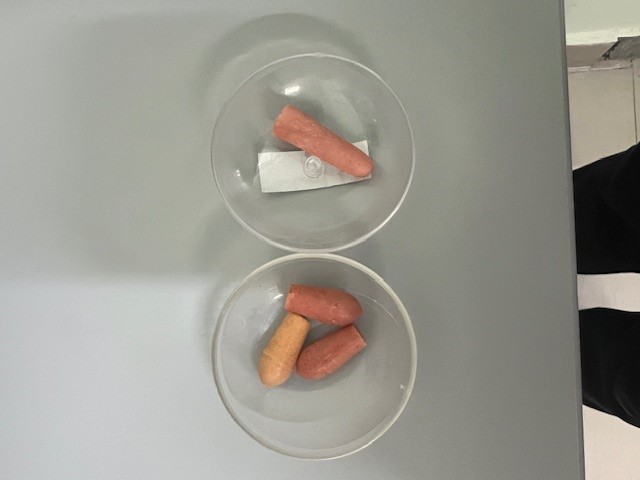
The laboratory was established in 2017, with its primary activities focused on the characterization of the phytochemical composition of medicinal plants, the development of technologies for the isolation of biologically active substances, and organization of small-scale production of galenic and novogalenic formulations. The laboratory is also involved in the small-scale serial production of ultra-pure vegetable oils used in cosmetology and phytotherapy.


Head of the Laboratory
Slavik A. DADAYAN
DSc in Chemistry
+ 374 10 65 41 80
slavik_dadayan@yahoo.com
Research main directions

  • Production of biologically active substances through microbiological and biocatalytic methods; development and improvement of technologies, laboratory and pilot-scale protocols; and organization of production processes.
  • Obtaining of BAS strain-producers by genetic and selection methods, study of their physiological and biochemical properties.
  • Isolation and study of nitrogen-fixing microorganisms; development of technologies for various types of biofertilizers based on these strains using biotechnological methods.


  • Development of technologies for the production of promising medications from plant raw materials and certification of industrial samples.
  • Serial production of galenic and novogalenic formulations based on the developed technologies.


Main results

  • Methods for extraction and purification of some biologically active substances (amygdalin, silymarin, lycopene, etc.) from plant raw materials have been developed and certified.
  • Serial production of natural vegetable oils from milk thistle, sesame, black plum kernel, thyme, sea buckthorn, pumpkin seeds, apricot and peach kernels by cold pressing was organized.
  • A universal laboratory technology for isolating a mixture of native fatty acids from the seeds of low-oil-content medicinal plants (dogwood, blackberry, etc.) was developed. Based on this technology, formulations for moisturizing hand and feet creams, as well as medical suppositories with potential antihemorrhoidal activity were obtained.

Research projects/grants

1. 18T- 2I168 (2018-2020) «Development of the method for complex processing of plant raw materials for obtaining eco-friendly food products, feed additives, and galenic preparation» (PM: S. Dadayan, DSc).
2. 13-03-90600-ARM-a, No.13RF-050A (2013-2015) «Asymmetric synthesis of non-proteinogenic amino acids via radical intermediates stabilized by metal ions» (PM: Prof. A. Saghyan, DSc).
3. АА-005 (2011-2012) «Investigation of bromine substituted amino acid complexes in asymmetric aldol condensation reactions. Development of a universal method for obtaining new β-oxy amino acids» (PSA: S. Dadayan, DSc).
4. 20TTWS-1D012 (2020-2023) «Target synthesis of non-protein amino acids with potential anticholinesterase activity and assessment of their bioactivity potential» (PM: A.S. Dadayan, PhD).

Selected publications

1. Dadayan A.S., Mkrtchyan A.F., Poghosyan A.S., Dadayan S.A., Stepanyan L.A., Israyelyan M.H., Tovmasyan A.S., Tsaturyan A.H., Hovhannisyan N.A., Topuzyan V.O., Sargsyan T.H., Saghyan A.S., Unnatural Phosphorus-Containing α-Amino Acids and Their N-FMOC Derivatives: Synthesis and In Vitro Investigation of Anticholinesterase Activity․ ChemistrySelect, 2024, V. 9 (3) https://doi.org/10.1002/slct.202303249
2. Dadayan S.A., Poghosyan A.S., Arstamyan L.A., Hovhannisyan A.M., Ghazaryan S.G., Sheyranyan M.A., Dadayan A.S., Comparative study of fatty acids formation in natural and genetically modified blackberry seeds. Proceedings of the Yerevan state university. Chemistry and biology, 2024, V. 58 (2), pp. 114-120. https://doi.org/10.46991/PYSU:B.2024.58.2.114
3. Hovhannisyan N., Abrahamyan S., Grigoryan L., Yeribekyan S., Balasanyan H., Grigoryan V., Arstamyan L., Badalyan A., Badalyan A., The use of secondary raw materials in confectionary production. Functional Food Science. 2024, V. 4(10), pp. 390-400: https://doi.org/10.31989/ffs.v4i10.1455
4. Dadayan A.S., Poghosyan A.S., Ghazaryan S.G., Hovhannisyan A.M., Ghazaryan M.S., Dadayan S.A., Comparative study of the content of anthocyanins in the fruits of blueberries, blackberries and blackcurrants. Development of a technological method for obtaining partially purified new-galenic extracts. / Proceedings of the Yerevan state university. Chemistry and biology, 2023, V. 57 (2), pp. 100-109. https://doi.org/10.46991/PYSU:B/2023.57.2.100
5. Dadayan A.S., Stepanyan L.A., Sargsyan T.H., Poghosyan A.S., Minasyan E.V., Israelyan M.H., Hovhannisyan A.M., Dadayan S.A., Study of oil and pomace from grape seeds for the identification of prereouistes of their complex processing. Proceedings of the Yerevan state university. Chemistry and biology, 2022, V. 56 (1), pp. 18-30. https://doi.org/10.46991/PYSU:B/2022.56.1.018
6. Dadayan A.S., Poghosyan A.S., Ghazaryan S.G., Minasyan E.V., Hovhannisyan A.M., Dadayan S.A., Comporative study of fatty acid composition of white and black sesame oils and developments of a relatively efficient method for isolating the natural antioxidant sesamol. Proceedings of the Yerevan state university. Chemistry and biology, 2022, V. 56 (3), pp. 203-217. https://doi.org/10.46991/PYSU:B/2022.56.3.203
7. Dadayan A.S., Stepanyan L.A., Petrosyan H.R., Poghosyan A.S., Hovsepyan G.Ts., Ghazaryan S.G., Dadayan S.A., Features of integrated processing technologies of sea buckthorn (Hippophae), milk thistle [(Silybum Marianum (l.) Gaertn)] and ordinary almonds (Prunus Dulcis) Chemical journal of Armenia, 2020, V. 73(1), pp. 89-101.
8. Petrosyan H.R., Isolation of amygdalin from secondary products of medical oils production and investigation of anti-cancer properties Medicine, science and education, 2020, № 29, pp. 9-13.
9. Petrosyan H.R., Determination of Antioxidant Activities of Water-Alcoholic Extracts from Red Clover (Trifolium pratense), Caper (Capparis spinosa) and Bokhi (Hippomarathrum crispum), Oxidation Communications, 2019, V. 42 (1), pp. 33–38.
10. Petrosyan H.R., Dadayan S.A., Dadayan A.S., Vardanyan L.R., Vardanyan R.L., Harutyunyan R.S., Antioxidant activity of extracts of oyster mushroom (pleurotusostreatus l.) and bulgarian pepper (Capsicum l.), Oxidation Communications, 2018, V. 41(3), pp. 403-411.

LABORATORY OF PROBIOTICS BIOTECHNOLOGY

Founded in 2021, the laboratory focuses on the study of lactic acid bacteria and yeasts isolated from traditional Armenian dairy and fermented milk products, and their impact on gut microflora. Research activities include the characterization of the morphological, physiological, biochemical, immunomodulatory, and probiotic properties of lactic acid bacteria (LAB), as well as their ability to synthesize valuable biologically active metabolites, such as amino and organic acids, bacteriocins, bile salt hydrolases, exopolysaccharides, mycocins, and others. The laboratory also works on the development of functional food products and probiotics based on consortia of prospective strains of lactic acid bacteria and yeasts.


Head of the Laboratory
Flora N. TKHRUNI
PhD in Biology
+ 37491 30 86 92
florarmbio@inbox.ru
Research main directions

  • 1. ANSEF grant 20AN:NS-biotech-2244 (2020-2021) «Using Lactic Acid Bacteria for Biopreservation of Milk Products» (PM: K. Karapetyan, PhD).
  • 2. ANSEF biochem-4126 (2016-2017) «Increasing of synthesis of bacteriocins of Lactobacillus rhamnosus BTK 20-12 by combined cultivation with yeast strains» (PM: K. Karapetyan, PhD).
  • 3. SCS MES RA, Armenian-Belarusian Grant 13РБ-064 (2014-2016) «Development of a new method for obtaining novel bactericides aimed at protecting agricultural animals and poultries from infectious diseases» (PM: F.Tkhruni, PhD).
  • 4. ANSEF biochem biochem-3820 (2014-2015) «Bacteriocins from Lactobacillus rhamnosus BTK 20-12 against multidrug–resistant human pathogens» (PM: K. Karapetyan, PhD).
  • 5. ISTC #A-1866P (2010-2013) «Natural biological substances (peptides) with bactericidal properties toward various pathogens» (PM: F. Tkhruni, PhD).
  • 6. NATO Science for Peace and Security (SPS) Program 982164 (2007-2011) «Study of antimicrobial and hypo-allergenic products of lactic acid bacteria» (PM: F. Tkhruni, PhD).

Main results

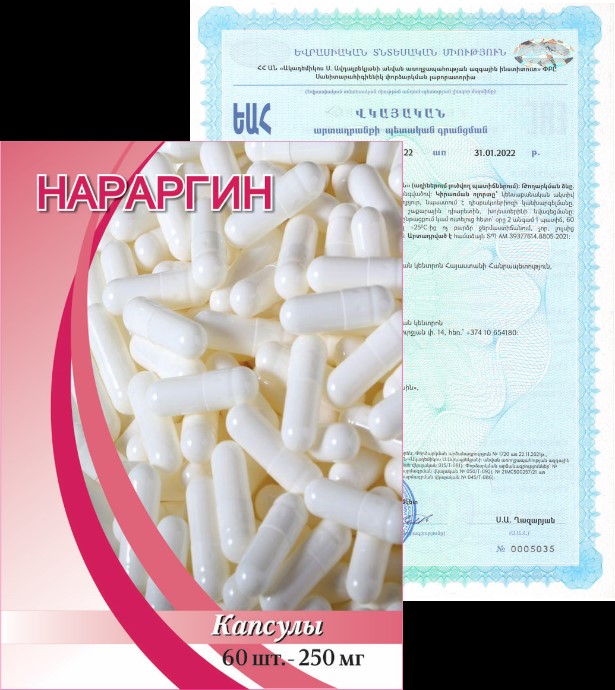
  • The production of the biologically active food supplement «NARARGIN», obtained on the basis of two probiotic lactic acid bacteria: Lactobacillus acidophilus n.v. Ep 317/402 MDC 9602 and Lactobacillus rhamnosus 20-12 MDC 9631 and created for the prevention of Type 2 diabetes, has been established.
  • A culture collection of lactic acid bacteria with targeted probiotic properties has been created for use in the production of functional food and feed products, antimicrobial agents, and agricultural preparations.


Research projects/grants

1. 18T- 2I168 (2018-2020) «Development of the method for complex processing of plant raw materials for obtaining eco-friendly food products, feed additives, and galenic preparation» (PM: S. Dadayan, DSc).
2. 13-03-90600-ARM-a, No.13RF-050A (2013-2015) «Asymmetric synthesis of non-proteinogenic amino acids via radical intermediates stabilized by metal ions» (PM: Prof. A. Saghyan, DSc).
3. АА-005 (2011-2012) «Investigation of bromine substituted amino acid complexes in asymmetric aldol condensation reactions. Development of a universal method for obtaining new β-oxy amino acids» (PSA: S. Dadayan, DSc).
4. 20TTWS-1D012 (2020-2023) «Target synthesis of non-protein amino acids with potential anticholinesterase activity and assessment of their bioactivity potential» (PM: A.S. Dadayan, PhD).

Selected publications

1. Tkhruni F., Karapetyan K., Aleksanyan L., Balabekyan Ts., Israyelyan A., Comparative inhibition of Е. coli growth by probiotic lactic acid bacteria and their metabiotics, Comptes rendus de l’Acad´emie bulgare des Sciences. 2025, V. 78 (1), pp. 36–43, https://doi.org/10.7546/CRABS.2025.01.05.
2. Israyelyan A., Balabekyan Ts., Aleksanyan L., Sahakyan I., Gasparyan A., Тkhruni F., Investigation of new exopolysaccharides produced by strains of donkey milk․Iranian journal of Microbiology, 2025, V. 17(1), pp. 113-121, https://doi.org/10.18502/ijm.v17i1.17808.
3. Israyelyan A., Balabekyan Ts., Sargsyan Z., Tkhruni F., Effect of Some Metabiotics from Strains of the Genus Enterococcus on the Growth of Pathogenic Bacteria that Cause Pneumonia․ Biology Bulletin, 2024, V. 51 (1), pp. 60-66, https://doi.org/10.31857/S1026347024010061.
4. Tkhruni F.N., Israyelyan A.L., Karapetyan K.J., Balabekyan T.R., Khachatryan L.M., Khachatryan T.V., Comparative аntimicrobial activity of some metabiotics synthesized by lactic acid bacteria. The New Armenian Medical Journal, 2023, V. 17, 4, pp. 98-109, https://doi.org/10.56936/18290825-2023.17.f-98.
5. Khachatryan T.V., Tkhruni F.N., Balabekyan Ts.R., Israyelyan A.L., Karapetyan K.J., Chitchyan К.V., A study of lactic acid bacteria and prospects for their application․ Biolog. Journal of Armenia, 2023, N2-3, pp. 135-143․
6. Israyelyan A., Tkhruni F., Agabekyan L., Sargsyan M., Garibyan I., Sargsyan A., Efficacy of probiotic labs in forage processing, European Journal of Technical and Natural Sciences, 2023, V. 2, pp.3-6, https://doi.org/10.29013/EJTNS-23-2-3-6.
7. Karapetyan K., Tsaturyan A., Minasyan E., Tkhruni F., Balabekyan T., L-Arginine Synthesis by Lactic Acid Bacteria․ European Journal of Technical and Natural Sciences. 2022, V. 1-2, pp. 3-11, https://doi.org/10.29013/EJTNS-22-1.2-3-11.
8. Tkhruni F.N., Aghajanyan A.E., Balabekyan Ts.R., Khachatryan T.V., Karapetyan K.J., Characteristic of bacteriocins of Lactobacillus rhamnosus BTK 20-12 potential probiotic strain. Probiotics and Antimicrobial Proteins, 2020, V. 12 (2), pp. 716–724, https://doi.org/10.1007/s12602-019-09569-y.

Patents

1. The strain of Lactobacillus rhamnosus BTK 20-12 bacteria - arginine producer. Patent RA N 3273. 2019.
2. Consortium of strains of Enterococcus durans P13-MDC 9635 and Lactobacillus helveticus KG5 for making dairy products, Patent RA, N3355A, 2020.
3. Consortium of strains of Enterococcus durans P13 MDC-9635, Enterococcus faecium KE5 MDC-9662, Lactobacillus acidophilus 1991 MDC-9631, Streptocuccus termophillus 103 MDC-9608 and Kluyveromyces marxsianus 83 MDC-10322 for enrichment of feedstuff, Patent RA, N 703Y, 2022.
4. «Narargin» biologically active food additive, biopreparation, RA, TC, 39377614.8805-2021, state registration certificate, N AM.01.01.01.003.R000016.01.22

LABORATORY OF MINERAL PROCESSING, METAL RECYCLING AND ENVIRONMENTAL PROTECTION

Founded in 1972, our laboratory initially operated as the Laboratory of Geomicrobiology and Metal Bioleaching in the Institute of Microbiology of the SPC «Armbiotechnology» of NAS of Armenia. From 1992 to 2024 the laboratory was headed by Narine Vardanyan, Doctor of Biological Sciences and Leading Researcher. Over the years, the laboratory evolved into a leading research facility focused on studying ecology, biodiversity, and biological features of chemolithoautotrophic bacteria, particularly iron- and sulfur-oxidizing, metal-decomposing species. These microorganisms play a pivotal role in bioleaching non-ferrous, precious and other valuable metals from primary raw materials, such as ores, concentrates, tailings, as well as from secondary sources like electronic waste (e-waste).


Head of the Laboratory
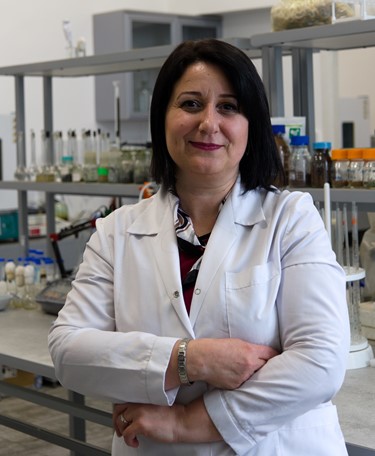
Arevik K. VARDANYAN
PhD in Biology
+ 37410 65 41 80
+37494 90 09 31
arevik.vardanyan@asnet.am

Our primary research centers on understanding the microbial processes involved in metal extraction and their applications for sustainable metal recovery. This includes the development of innovative biohydrometallurgical technologies to enhance the efficiency of metal recovery, particularly of non-ferrous and precious metals. Additionally, we focus on the bioremediation of industrial and other wastewater streams contaminated with heavy metals, leveraging microbiological treatments to mitigate environmental pollution.
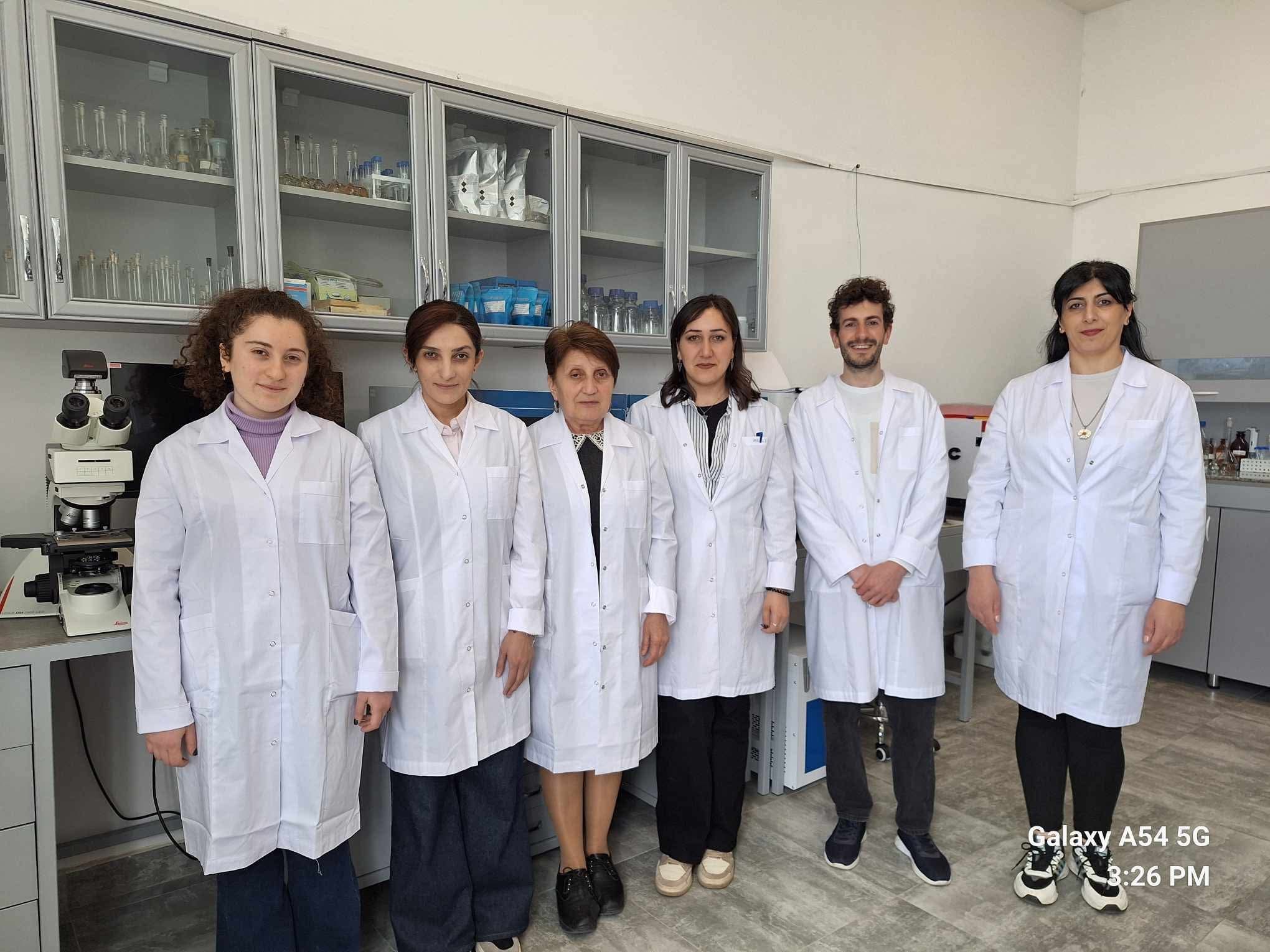
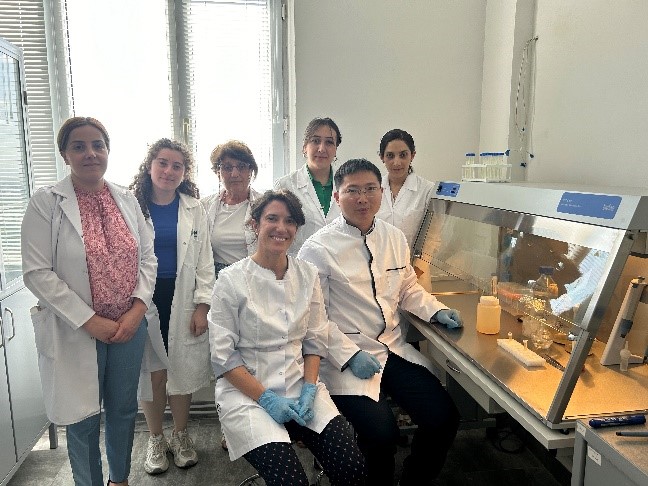


In November 2024, as part of the grant project 22rl-031 under the Adjunct Research Professorship Program (ARPI program) of the Higher Education and Science Committee of the Ministry of Science, Education, Culture and Sports of the Republic of Armenia, the laboratory was reorganized, restructured and renamed the Laboratory of Mineral Processing, Metal Recycling and Environmental Protection. This marks a new phase in the laboratory’s mission and activity to advance bioleaching research and promote sustainable environmental solutions. Arevik Vardanyan heads the renovated laboratory.
Research main directions

  • Study of biodiversity and biochemical activity of chemolithotrophic bacteria, especially those involved in the biorecovery of metals from primary and secondary sources.
  • Development of efficient methods for metal bioleaching from sulfide ores and other complex mineral matrices, as well as tailings.
  • Development of innovative recycling strategies for electronic waste (e-waste), with an emphasis on the recovery of valuable metals.
  • Application of biological processes for wastewater treatment and environmental remediation.
  • Advancements in biohydrometallurgical technologies aimed at improving metal extraction processes.
  • Risk assessment of acid mine drainage (AMD) in major mining centers of Armenia and development of innovative methodologies for its management.

Main results

  • Extensive studies on the biodiversity of iron- and sulfur-oxidizing bacteria in both natural and anthropogenic environments with a focus on sulfide ores from various geoformations across Armenia, were conducted.
  • New genera and species of sulfur- and iron-oxidizing bacteria, revealing their pivotal role in bioleaching metals from sulfide minerals were isolated.
  • Adhesion, immobilization, and biofilm formation of acidophilic microorganisms, essential for efficient bioleaching activity were studied.
  • A rich collection of valuable acidophilic bacteria, which has fundamental and applied significance as a serious prerequisite for the development and advancement of new highly efficient biohydrometallurgical processes was established.
  • Novel bioleaching methods using thermophilic bacteria and their consortia, significantly enhancing the efficiency of non-ferrous and valuable metal extraction were developed.
  • Sustainable biotechnological approaches for recycling e-waste, optimizing the extraction of valuable metals such as copper, zinc, and rare earth elements from discarded electronic components through bioleaching techniques were developed.
  • Innovative biological treatment methods for wastewater, focusing on the removal of heavy metals and toxic substances, thereby contributing to environmentally friendly remediation processes were designed and tested.
  • A comprehensive risk characterization study of acid mine drainage in Armenia, assessing its environmental impact and proposing innovative mitigation strategies that use microbial-based treatments to reduce the toxicity of mine tailings and enhance metal recovery was implemented.

Research projects/grants

1. Research project grant No. 1-45/25SC-CNR-1F014 (2025-2027) «Bioremediation of wastewater contaminated with heavy metals» (GL: A. Khachatryan, PhD).
2. CAS-ANSO Co-funding (2025) «Green technologies for metal contaminated wastewater treatment» (GL: A. Khachatryan, PhD).
3. CAS PIFI (2025) «High-performance bio-based technology for recovery of value-added metals from e-wastes» (GL: A. Vardanyan, PhD).
4. COST Action - CA23104 (2024-2028) «Mainstreaming water reuse into the circular economy paradigm (Water4Reuse) (WG and M: WG 1, WG 2, A. Vardanyan, N. Vardanyan).
5. Research project grant No. 24AA-1F026 (2024-2027) «Biorecovery of valuable metals from secondary sources» (GL: N. Abrahamyan).
6. Research project grant No. 21AA-1F028 (2024-2027) «Study on the bioremediation of wastewater contaminated with heavy metals» (GL: S. Barseghyan).
7. Research project grant No. 24-2PTS-2I016 (2024) «Investigation of non-ferrous metal leaching from metallurgical slags and regeneration of leaching solutions by new microorganisms, their communities and immobilized forms» (GL: A. Khachatryan, PhD).
8. ARPI program, Research project grant No. 22rl‐031 (2022-2027) «Innovative methods for risks characterization of sites contaminated by metals» (GL: A. Vardanyan, PhD).
9. Agreement for Scientific and Educational Cooperation between SPC «Armbiotechnology» NAS RA and Institute of Oceanology CAS, Qingdao, China (2022-2024) «Investigation of non-ferrous metals leaching from metallurgical slags and the processes of biosolutions regeneration by microorganisms, their communities and immobilized form» (GL: N. Vardanyan, DSc).
10. COST Action - CA20133 (2021-2025) «Cross-border transfer and development of sustainable resource recovery strategies towards zero waste (FULLRECO4US), (WG and M: WG 4, A. Vardanyan, N. Vardanyan).
11. Research project No. 21T‐1F124 (2020-2024) «BioMetals: Microbal recovery of value-added metals from electronic wastes» (GL: N. Vardanyan, DSc).
12. ANSEF Grant microbio-2227 (2020) «Bio-based technology for recovery of value-added metals from secondary raw materials» (GL: A. Vardanyan, PhD).
13. SCS-BMBF-2012 12GE-005 (2012-2014) «Isolation and characterization of novel metal leaching microorganisms and perspectives of intensification of biohydrometallurgical processes» (GL: N. Vardanyan, DSc).
14. ANSEF Grant NS 2091 (2010) «New efficient bioleaching process for production of non-ferrous and other valuable metals from refractory polymetallic ores» (GL: N. Vardanyan, DSc).  

Selected publications

1. Khachatryan A., Vardanyan N., Willscher S., Sevoyan G., Zhang R., Vardanyan A., Bioleaching of Chalcopyrite by a New Strain Leptospirillum ferrodiazotrophum Ksh-L Isolated from a Dump-Bioleaching System of Kashen Copper-Molybdenum Mine. Minerals, 2024, V. 14(1), 26. https://doi.org/10.3390/min14010026.
2. Castro L., Abrahamyan N., Vardanyan A., González F., Vardanyan N., Muñoz J.A., Selective biosorption and recovery of scandium using the alga Fucus vesiculosus. Minerals Engineering, 2024, V. 214, 108768. https://doi.org/10.1016/j.mineng.2024.108768.
3. Vardanyan A., Khachatryan A., Castro L., Willscher S., Gaydardzhiev S., Zhang R., Vardanyan N., Bioleaching of Sulfide Minerals by Leptospirillum ferriphilum CC from Polymetallic Mine (Armenia). Minerals, 2023, V. 13(2), 243. https://doi.org/10.3390/min13020243.
4. Vardanyan A., Vardanyan N., Gaydardzhiev S., Biological extraction of Cu and Ni from printed circuit boards via redoxolysis with concomitant material characterization. Hydrometallurgy, 2023, V. 221, 106145, https://doi.org/10.1016/j.hydromet.2023.106145.
5. Vardanyan N., Khachatryan A., Kamradt A., Willscher S., Vardanyan A., Microbiological Processing of a Porphyry Copper Ore and Mineralogical Analysis of Solid Residues. Geomicrobiology Journal, 2022, V. 39(7), pp. 606–618. https://doi.org/10.1080/01490451.2022.2060385.
6. Vardanyan A., Vardanyan N., Aâtach M., Malavasi P., Gaydardzhiev S., Bio-Assisted Leaching of Non-Ferrous Metals from Waste Printed Circuit Boards-Importance of Process Parameters. Metals (Special Issue: Advanced Technologies in Bio/Hydrometallurgy for Recovery and Recycling of Metals), 2022, V. 12(12), 2092. https://doi.org/10.3390/met12122092.
7. Vardanyan A., Vardanyan N., Abrahamyan N., Aatach M., Gaydardzhiev S., Sequential Biologically Assisted Extraction of Cu and Zn from Printed Circuit Boards (PCB). International Journal of Environmental Studies, 2022, V. 81(4), pp. 1756–1771. https://doi.org/10.1080/00207233.2022.2126122.
8. Castro L., Ayala L.A., Vardanyan A., Zhang R., Munoz J.A., Arsenite Sorption using biogenic iron compounds: Treatment of real polluted waters in batch and continuous systems. Metals, 2021, V. 11, 1608. https://doi.org/10.3390/met11101608.
9. Stom D.I., Zhdanova G.O., Kalashnikova O.B., Bulaev A.G., Kashevskii A.V., Kupchinsky A.B., Vardanyan N.S., Ponamoreva O.N., Alferov S.V., Saksonov M.N., Chesnokova A.N., Tolstoy Yu.M., Acidophilic microorganisms Leptospirillum sp., Acidithiobacillus sp., Ferroplasma sp. As a Cathodic Bioagents in a MFC. Geomicrobiology Journal, 2021, V. 38(4), pp. 340-346. https://doi.org/10.1080/01490451.2020.1856980.
10. Vardanyan A., Vyrides I., Acidophilic bioleaching at high dissolved organic compounds: Inhibition and strategies to counteract this. Minerals Engineering, 2019, V. 143, https://doi.org/10.1016/j.mineng.2019.105943.

SECTOR OF LACTIC ACID BACTERIA RESEARCH

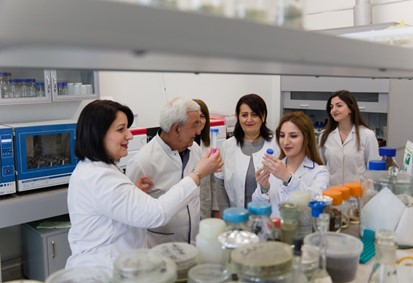
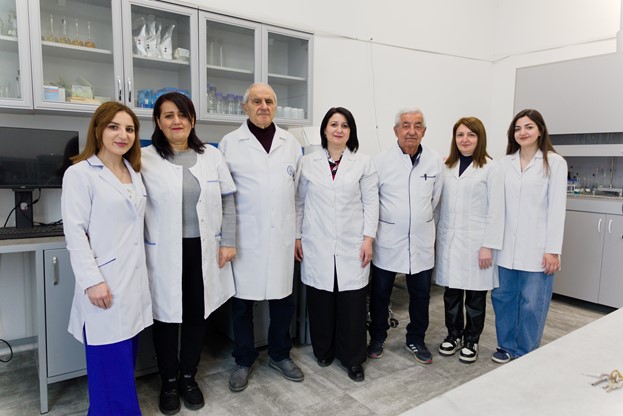
The Laboratory of Fermentation Microorganisms was founded in 1952 by Professor Levon Yerznkyan, who created the famous functional fermented dairy product «Narine». The laboratory was later reorganized into the Lactic Acid Bacteria Research Sector. The current areas of activity are studying the diversity of lactic acid bacteria (LAB) in Armenian fermented foods as well as in the human body, developing functional fermented dairy products along with biological methods for food preservation.


Head of the Sector
Lusine V. DANIELYAN
PhD in Biology
+ 374 98 54 49 27
drlusinedanielyan@gmail.com
Our primary research centers on understanding the microbial processes involved in metal extraction and their applications for sustainable metal recovery. This includes the development of innovative biohydrometallurgical technologies to enhance the efficiency of metal recovery, particularly of non-ferrous and precious metals. Additionally, we focus on the bioremediation of industrial and other wastewater streams contaminated with heavy metals, leveraging microbiological treatments to mitigate environmental pollution.

Research main directions

  • Isolation and identification of new probiotic lactic acid bacteria from human-derived microbiota, including the gut, breast milk, vaginal and oral microbiome.
  • Study of the physiological and biochemical properties of isolated lactic acid bacteria.
  • Development of functional foods and synbiotic biomedical preparations to improve human health.
  • Development of bio-based methods for food preservation using genetically engineered LAB to inhibit foodborne pathogens and spoilage microorganisms.


Main results

  • A laboratory culture collection of original probiotic and starter LAB strains has been created.
  • The microbial biodiversity of the genitourinary system and that of the breast milk in women residing in Armenia was investigated.
  • Lactic acid bacteria strains with high peroxidase activity were successfully tested to extend the shelf life of minced meat and poultry.
  • Samples of new functional fermented dairy products were developed and subjected to testing.

Research projects/grants

1. 25RG-1F070 (2025-2028) «Selection of highly active lactic acid probiotic bacteria and increasing resistance to stress by modern microencapsulation technology» (PI: L. Danielyan, PhD).
2. ANSEF Grant (2025-2026) «Comparative Study and Improvement of Fermentative Potential of Lactic Acid Bacteria Isolated from Human Breast Milk in Plant-Based and Animal Milk» (PM: L. Danielyan, PhD).
3. ANSEF Grant N-microbio-2816 (2023-2024) «Study of the biodiversity of probiotic bacteria in the breast milk of Armenian women’’ (PM: L. Danielyan, PhD).

Selected publications

1. Danielyan L.V., Hovhannisyan H.G., Baghdasaryan L.G., Barseghyan A.H., New generation of functional yogurts fermented with probiotic lactic acid bacteria isolated from human milk, Functional Foods in Health and Disease, 2024, V. 14(4), pp. 232-247, https://doi.org/10.31989/ffhd.v14i4.1347.
2. Hovhannisyan H.G., Danielyan L.V., Gaboyan E.H., Pashayan M.M., Grigoryan G.G., Barseghyan A.H., Mutational Improvement of Lactobacillus delbrueckii subsp. lactis Biopreservation Potential, Applied Biochemistry and Microbiology, 2024, V. 60(5), pp. 844–854, https://doi.org/10.1134/S0003683823603189.
3. Hovhannisyan H.G., Danielyan L.V., Chichoyan N., Pashayan M., Baghdasaryan L., Melkumyan I., Barseghyan A., Improvement of Functional and Sensory Properties of Fermented Dairy Drink NARINE using Raw Apricot Gum, Functional Foods in Health and Disease, 2024, V. 14(8), pp. 600-614, https://doi.org/10.31989/ffhd.v14i8.1398.
4. Hovhannisyan H.G., Danielyan L.V., Baghdasaryan L.G., Melkumyan I.E., Barseghyan A.H., The influence of the alcoholic extract of lemon balm on the growth of Lactobacillus helveticus MDC 9602 and the technological, physicochemical, organoleptic, and antioxidant properties of fermented milk. J Food Sci Technol, 2024, https://doi.org/10.1007/s13197-024-06121-x.
5. Hovhannisyan H.G., Pashayan M.M., Barseghyan A.H., Grigoryan G.G., Gaboyan E.H., Danielyan L.V., Health Promoting Potentials of Armenian Functional Sour Milk «NARINE» and its Starter Lactobacillus helveticus MDC 9602, The New Armenian Medical Journal, 2023, V.17(3), pp. 66-73, https://doi.org/10.56936/18290825-2023.17.3-66.
6. Pashayan M.M., Hovhannisyan H.G., Development of bifunctional vaginal suppositories by joint use terconazole and probiotic for treatment and prophylaxis of vulvovaginal candidiasis. Journal Drug Development and Industrial Pharmacy, 2021, V.47 (9), pp. 1-8. https://doi.org/10.1080/03639045.2021.2001485.
7. Hovhannisyan H.G., Barseghyan A.A., Danielyan L.V., Pashayan M.M., Species affiliation of the starter culture of the therapeutic and dietary fermented milk drink ″NARINE″. Biological Journal of Armenia, 2020, V. 1-2 (72), pp. 95-101.
8. Hovhannisyan H.G., Danielyan L.V., Human Milk’s Microbial Population Behavior In Vivo and Ex Vivo. International Journal of Health Sciences and Research, 2017, V. 7(9), pp. 249-254.
9. Hovhannisyan H.G., Goodarzi A., Barseghyan A.H., Antimicrobial Substances Production at Refrigeration Temperatures by Lactobacillus delbrueckii MH10: A Candidate for Food Biopreservation. International Journal of Nutrition and Food Sciences, 2016, V. 5(3), pp. 179-184, https://doi.org/10.11648/j.ijnfs.20160503.15.

LABORATORY OF ENERGY ALTERNATIVE SOURCES

The Laboratory of Photosynthesizing Microorganisms was founded in 1972 at the Institute of Microbiology. It was reorganized in 2017 and renamed the Laboratory of Alternative Energy Sources. Later, in 2021, a research group specializing in nitrogen-fixing microorganisms joined the laboratory. The main fields of activity are the study of biodiversity and distribution of photosynthesizing (photosynthetic bacteria, microalgae, cyanobacteria) and nitrogen-fixing microorganisms in nature, revealing their biological properties, taxonomy and systematics. Research includes the search and isolation of valuable biologically active substances, genetically engineered design of highly active strain-producers, biological wastewater treatment, creation of highly efficient biological fertilizers and development of biologically active food additives.

Head of the Laboratory
Vigen B. GOGINYAN
Candidate of Veterinary Sciences
+ 374 10 65 53 98
goginyan@gmail.com
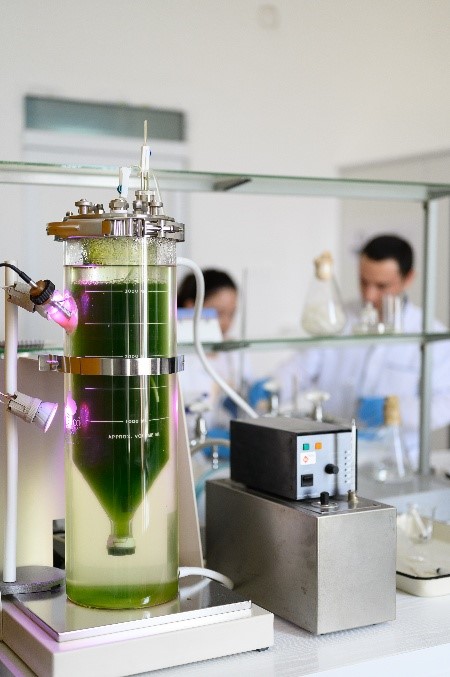
Research main directions

  • Study of purple non-sulfur and sulfur photosynthetic bacteria, green unicellular microalgae and cyanobacteria in soil, mineral-, fresh- and marine environment with the special emphasis on biodiversity, taxonomy, systematics and secondary metabolism.
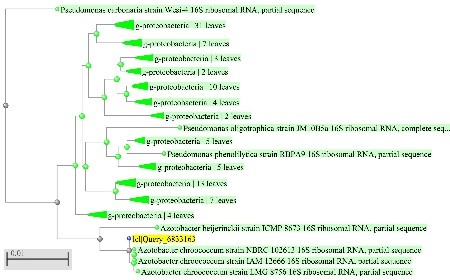
  • Development of renewable biomass efficient sources (microalgae for biofuels), production of valuable biologically active substances (lipids, fatty acids, proteins, amino acids, carbohydrates, pigments) and food/feed additives.
  • Study of free-living, associative and symbiotrophic soil and rhizosphere microorganisms and their interaction with plants. Saline soils restoration.
  • Development of new environmentally friendly microbial preparations/biofertilizers based on effective soil strains and rhizosphere microorganisms capable of nitrogen-fixing, phosphate and potassium mobilizing, aimed at increasing soil fertility and crop yields.


Main results

  • Microalgae, as producers of lipids, proteins, carbohydrates, high-molecular (polysaturated and polyunsaturated) fatty acids, essential amino acids, polysaccharides and colored pigments under conditions of photo- and heterotrophic growth, have been comprehensively studied considering their species specificity, morphological, physiological, cytological, biochemical, genetic and ecological features.


  • The exogenous synthesis of 5-aminolevulinic acid (ALA) by both photosynthetic bacteria Rhodobacter, Rhodopseudomonas, Rhodospirillum and their mutants wasstudied. The transfer of the hemA gene encoding ALA-synthase, cloned from the Rhodobacter sphaeroides into the cyanobacterium Synechocystis was successfully
    carried out for the first time. Stable, viable, actively reproducing and potentially competitive recombinant Synechocystis strains synthesizing 17.0–24.5 mg/L ALA were obtained.


  • The biodiversity and distribution of free-living, associative and symbiotrophic microorganisms in various types of soils in Armenia and Artsakh were studied. The mechanisms of virulence, engraftment and survival of microorganism strains on the rhizoplane and roots of host plants were revealed. The possibility of restoring saline soils using salt-tolerant nodule bacteria of the genera Bradyrhizobium and Sinorhizobium was proven.

  • A collection of biotechnologically valuable cultures, containing over 30 strains of microalgae and cyanobacteria, 65 strains of purple photosynthetic bacteria and 600 strains of soil nitrogen-fixing/phosphate mobilizing bacteria was created. Methods for long-term maintenance of microorganisms on various natural and artificial substrates were developed.
  • Based on microbiological, molecular-genetic and phylogenetic studies, the taxonomic affiliation of more than 80 collection strains of microalgae, photosynthetic and nitrogen-fixing bacteria, isolated from various freshwaters, mineral springs as well as saline soils of Armenia and Artsakh was established.
  • A number of effective soil-fertilizing, plant growth-stimulating («Polyazorich» (TC AM 39377614.9327-2024), «NitroPro», «PhoseActive Plus» (TC AM 54690640.9240-2024)) and insecticidal («Coleopterin» TC AM 39377614.9328-2024) bacterial preparations were developed and launched into serial production.


  • State research projects

    1. 25RG-2I126 (2025-27) «Prospects for the removal of heavy metals from polluted environments by purple photosynthetic bacteria» (PI: Dr. Anna Zakoyan).
    2. 25YR-2I016 (2025-26) «Characterization of features of monogalactosyldiacylglycerol biosynthesis by microalgae and cyanobacteria. The study of anticancer effects» (PI: Dr. Baghish Harutyunyan).
    3. 24-YSIP-004 (2024) «Competition for Young Scientists Training Abroad» initiated by the Young Scientists' Support Program (Exec: Dr. Baghish Harutyunyan).
    4. 23EDP-4D003 (2023-25) «The development of microbiological agricultural plant protection preparations with insecticidal and soil-fertilizing properties» (PI: Dr. Vigen Goginyan).
    5. 22YR-2I015 (2022-24) «The study of the anti-cancer effect of glycoglycerolipids isolated from cyanobacteria and microalgae» (PI: Dr. Baghish Harutyunyan).
    6. 22YSSPD-009 (2022) «Competition for procurement of scientific equipment and/or materials» initiated by the Young Scientists' Support Program (Exec: Dr. Baghish Harutyunyan).
    7. 21T-2I172 (2021-23) «Construction of recombinant cyanobacterial strains for 5-aminolevulinic acid production» (PI: Dr. Vigen Goginyan).
    8. 19YR-1F051 (2019-21) «Processing of brewery waste using unicellular green microalgae» (PI: Dr. Avetis Tsaturyan).
    9. 18T-1F118 (2018-20) «Study of the systematics and taxonomic affiliation of purple photosynthetic bacteria» (PI: Dr. Vigen Goginyan).
    10. 16A-1f37 (2017) «The study of features of 5-aminolevulinic acid biosynthesis by photosynthetic bacteria» (PI: Dr. Baghish Harutyunyan).
    11. 16YR-2I029 (2016-18) «Study of secondary carotenogenesis peculiarities of green microalgae» (PI: Dr. Avetis Tsaturyan).
    12. 13RB-043 (2014-16) «Ecological and biotechnological aspects of microalgae and cyanobacteria research as producers of the unsaturated fatty acids under the influence of 5-aminolevulinic acid esters» (PI: Dr. Vigen Goginyan).

    International research and training grants

    1. FEMS Research and Training Grant ID-5250 (2025) «Evaluation of the application of native microalgal strains from Armenia for heavy metals removal in wastewater treatment» (Executor: Dr. Anna Zakoyan).
    2. ANSEF 24AN:NS-biotech-3066 (2024-25) «Study of the biodiversity of the indigenous yeast strains from armenian autochthonous grape varieties for application in winemaking» (PM: Dr. Anna Zakoyan).
    3. ANSEF 23AN:NS-biochem-2817 (2023-24) «Evaluation of anticancer activity of photosensitizer-based complexes using Chick Chorioallantoic Membrane (CAM) model for tumor-targeted photodynamic therapy» (PM: Dr. Anna Zakoyan).
    4. COST Action CA21146 (2022-26) «Fundamentals and applications of purple bacteria biotechnology for resource recovery from waste» (PURPLEGAIN) (PM: Dr. Vigen Goginyan).
    5. FEMS Industry Placement Grant ID-1835 (2022) «Semi-industrial production of microalgal biomass as a food and feed supplement. Process engineering analysis» (Executor: Dr. Baghish Harutyunyan).
    6. FEMS Research and Training Grant GO-2021-011 (2021) «Comparative characteristic of unicellular green algae as a source of natural astaxanthin. Strategies to induce carotenoid production» (Exector: Lusine Saghatelyan).
    7. FEMS Meeting Organizer Grants (2021) «Biofuel: Current State and Trends of Development» (PM: Dr. Narine Kalantaryan).
    8. ISTC Workshop grant SB89 WS18 (2021) «Biotechnology: Science and Practice, Innovation and Business» (PM: Dr. Vigen Goginyan).
    9. Coimbra Group Scholarships Programme for Young Professors and Researchers from European Neighborhood (2021) «Possibility of construction of 5-aminolevulinic acid (ALA) recombinant producers using cyanobacterium Synechocystis as host strains» (Executor: Dr. Baghish Harutyunyan).
    10. H2020-MSCA-RISE-2015 «Phoenix» (People for tHe eurOpean bio-ENergy mIX) (2016-19) (PM: Dr. Vigen Goginyan).
    11. ISTC Project A-1957 (2012-2014) “Isolation and characterization of probiotics selectively growing on milk oligosaccharides” (PM: Dr. Vigen Goginyan).
    12. CRDF Award #SCI-010002-SC-05 (2006- 2008) “Creation of Biotechnological Network with Establishment of Regional Microbial Culture Collections of the Caucasus” (PI: Dr. Vigen Goginyan).

    Selected publications

    1. Goginyan V., Harutyunyan S., Stepanyan T., Khachatryan G., Bagiyan V., Hovhannisyan R., Harutyunyan B., Kinosyan M., Ghazanchyan N., Davidyan T., Verdyan A., Chitchyan K. Effect of complex microbial preparation of free-living and symbiotic nitrogen-fixing bacteria for agricultural crops. Brazilian Journal of Biology, 2025, 85, 1-11. DOI: https://doi.org/10.1590/1519-6984.292171
    2. Harutyunyan B., Muhlstadt G., Seibel L., Hilpmann G., Sayadyan A., Aghabekyan A., Zakoyan A., Khachatryan G., Hovhannisyan R., Stepanyan T., Harutyunyan S., Goginyan V. Algal biomass as a food and feed supplement: Process engineering analysis. Functional Foods in Health and Disease, 2025; 15(7):380–395. DOI: https://doi.org/10.31989/ffhd.v15i7.1662
    3. Harutyunyan S., Stepanyan T., Khachatryan G., Goginyan V. Biodiversity, spreading and practical appliance of nodule bacteria in Armenia. Review. In Book «Microbial Essentialism. An Industrial Prospective», Academic Press, Elsevier, 2024, Chapter 19, pp.419-442. ISBN: 9780443139321 DOI: https://doi.org/10.1016/B978-0-443-13932-1.00007-6
    4. Goginyan V., Harutyunyan B., Hovhannisyan R., Novak M. 5-Aminolevulinic acid production: Strategies for microbial biosynthesis. Advances and perspective. In Book «Microbial Essentialism. An Industrial Prospective», Academic Press, Elsevier, 2024, Chapter 13, pp.317-338. ISBN: 9780443139321 DOI: https://doi.org/10.1016/B978-0-443-13932-1.00004-0
    5. Bagiyan V., Kinosyan M., Ghazanchyan N., Khachaturyan N., Gevorgyan S., Chitchyan K., Barseghyan S., Verdyan A., Goginyan V. Bacillus thuringiensis strains with high insecticidal activity against insect larvae of the orders Coleoptera and Lepidoptera. Open Agriculture (De Gruyter Open Access), 9(1): 20220384, 2024, pp.1-10. DOI: https://doi.org/10.1515/opag-2022-0384
    6. Khachatryan G.M., Stepanyan T.H., Harutyunyan S.H., Goginyan V.B. Isolation of fenugreek nodule bacteria from arid and uncultivated soils and their impact on hostplants. Reports of NAS RA, 2023, V.2(123), pp.60-67. DOI: https://doi.org/10.54503/0321-1339-2023.123.2-60
    7. Ulikhanyan G., Galstyan H., Dumanyan K., Beglaryan M., Poghosyan G., Shekoyan V., Ananikyan H., Ananikyan V., Goginyan V., Ulikhanyan G., Taschyan S., Chichoyan N. The study of the biological activities of Ziziphora clinopodioides. Brazilian Journal of Pharmaceutical Sciences, 2022, V.58, pp. 1-18. DOI: https://doi.org/10.1590/s2175-97902022e19331
    8. Goginyan V., Harutyunyan B., Hovhannisyan R., Andreasyan N., Kalantaryan N. Purple Photosynthetic Bacteria: A Brief Research Overview on Distribution in Armenia and Biotechnological Application, In: Egamberdieva D., Birkeland NK., Li WJ., Panosyan H. (eds) Microbial Communities and their Interactions in the Extreme Environment. Microorganisms for Sustainability, Springer, Singapore, 2021, V.32, pp.115-140, https://doi.org/10.1007/978-981-16-3731-5_7
    9. Kalantaryan N.K., Harutyunyan B.A., Minasyan E.V. Tsaturyan A.H., Pavlecic M., Mardetko N., Goginyan V.B. Comparative assessment of brewery wastewater treatment potential by microalgae Parachlorella kessleri and Chlorella vulgaris. Biological Journal of Armenia, 2020, V.72(4), pp. 72-79.
    10. Ferreira A., Ribeiro B., Ferreira A.F., Tavares M.L.A, Vladic J., Vidovic S., Cvetkovic D., Melkonyan L., Avetisova G., Goginyan V., Gouveia L. Scenedesmus obliquus microalga-based biorefinery - from brewery effluent to bioactive compounds, biofuels and biofertilizers - aiming a circular bioeconomy. Biofuels, Bioproducts and Biorefining, 2019, V.13, pp.1169-1186. https://doi.org/10.1002/bbb.2032

    National Culture Collection of Non-Pathogenic Microorganisms

    Founded in 1993 on the initiative of Academician of the National Academy of Sciences of Armenia, Professor, Doctor of Biological Sciences Evrik Afrikian (1925-2016). The main activities are aimed at studying the microbial biodiversity of the Caucasus region, including Armenia, storing and maintaining the National Culture Collection of Microorganisms with revealing promising microbial strains of scientific and industrial importance. The total number of strains maintained in the collection is over 12000, including spore-forming and non-spore-forming bacteria, streptomycetes, yeasts, fungi, algae and cyanobacteria. Most of cultures originally isolated, identified and studied in Armenia, represent a unique genetic pool and are invaluable wealth of information. The Microbial Depository is affiliated with some 800 culture collections around the world listed in the World Federation of Culture Collections (WFCC; http://www.wfcc.info) under number 803 and European Culture Collections Organization (ECCO), http://www.eccosite.org).

    Head of the Center
    Valeri A. BAGIYAN
    PhD in Biology
    + 37410 65 08 83
    valbeg@mail.ru
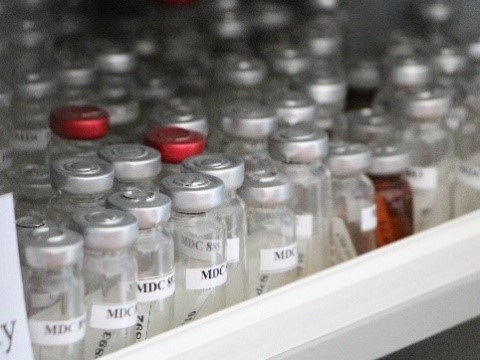


    The Centre has created and currently maintains one of the largest collections of entomopathogenic bacilli of significant importance for use in biological control of agricultural pests in accordance with the global concept of sustainable development of chemical-free agriculture. There is an extensive collection of fermentation microorganisms, including numerous endemic strains of yeast and lactic acid bacteria for use in the food industry, medicine and the production of probiotic preparations. Particular attention is paid to the creation of preparations using strains with high antimicrobial activity as a replacement for antibiotics in order to solve the problem of antibiotic-resistant strains in healthcare. The study of extremophilic forms of bacilli collection has great biotechnological potential and practical significance for the production of various biologically active substances.
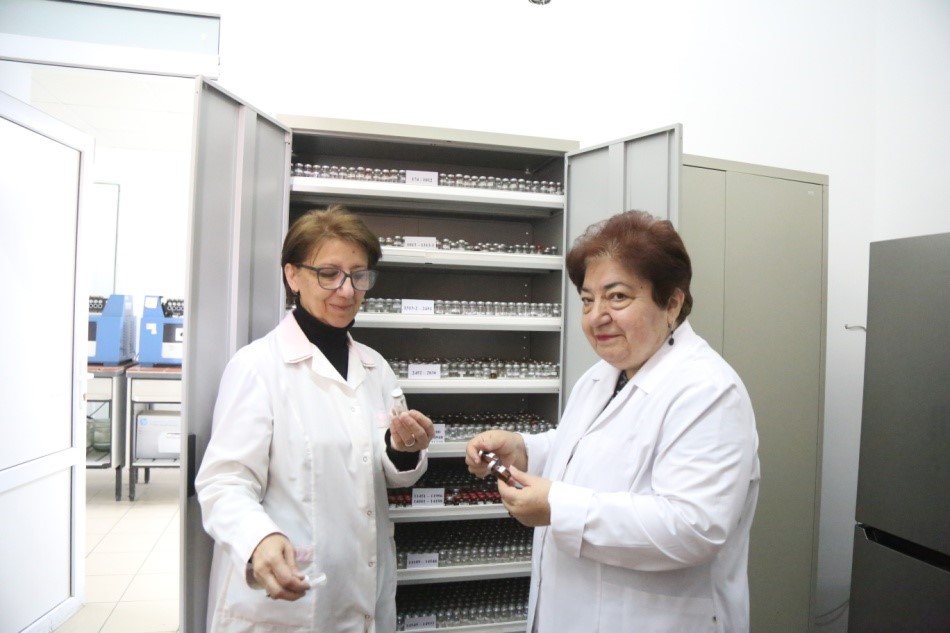
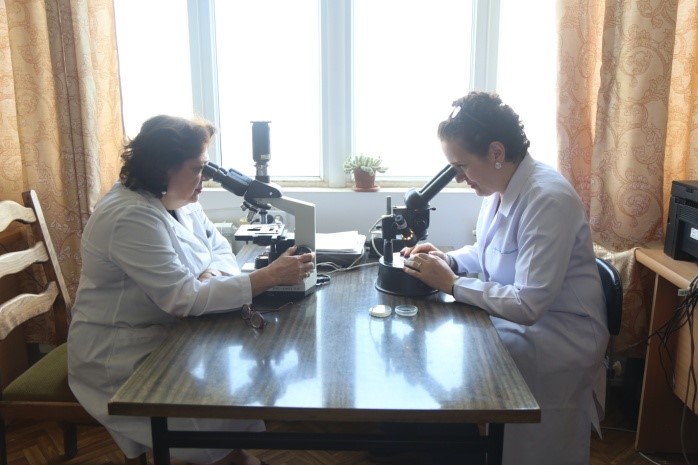
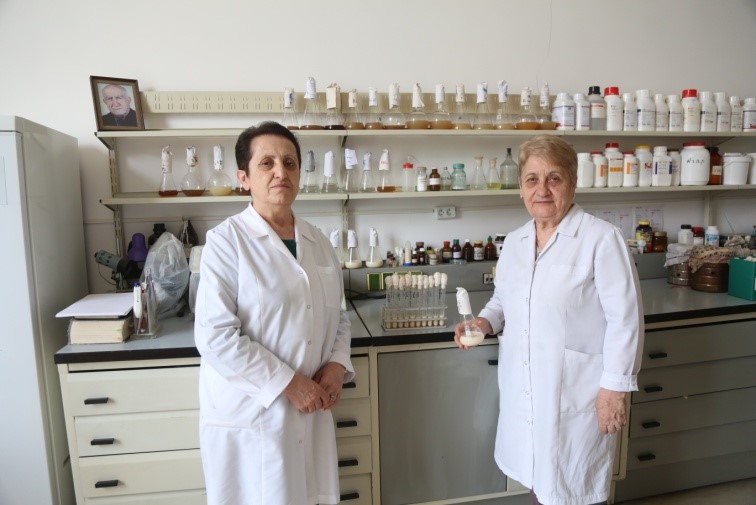


    The Center is the successor of many years of the Institute of Microbiology research work on the development of an integrated evaluation of microbial damage to polymeric materials of space technique in the interests of the NPO “Energia”, now the Rocket and Space Corporation of the Russian Federation “Energia”. The collection of biodegradable fungi isolated from inhabited spacecraft includes more than 1000 unique strains of microorganisms. A number of promising sets of biodegradable fungi have been developed to assess the biostability of new polymeric materials for use in aviation and space technique. Since 2000, the Microbial Depository Center has been the main executor of a number of international projects aimed at studying microbial biodiversity, the properties of individual groups of microorganisms, and the development of a collection fund of microorganisms.
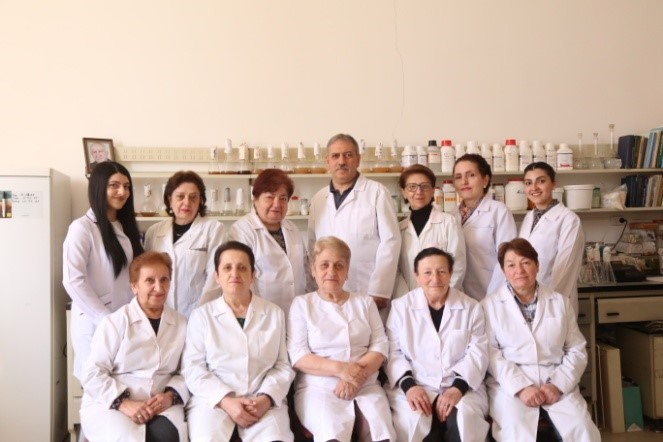


    The main areas of research at the Center are

    • Study of microbial biodiversity
    • Comprehensive study, isolation and classification of new microorganisms, development of methods for long-term maintenance of their viability and important industrial properties, as well as proposals for practical use
    • Preservation and expansion of the collection fund of microbiologically and biotechnologically valuable strains

    List of Services

    • Providing strains of microorganism cultures in a lyophilized state or in the form of an active culture on an appropriate nutrient medium.
    • Depositing strains of microorganisms for the purposes of patent procedure or under open access conditions.
    • Characterization of biological properties and identification of microorganism strains based on analysis of the 16S/18 S rRNA gene.
    • Isolation, purification and cultivation of microorganisms with specified properties from a natural sample, obtaining biomass of microorganisms and culture liquid.
    • Determination of fungal resistance of synthetic polymeric materials.
    • Analysis of metabolic products of microorganisms.
    • Consultations with specialists, individual internships and advanced training courses in collection activities.

    Research projects/grants

    1. 25RG-1F045 (2025-2028) «The development of probiotics and synbiotics on the basis of Bifidobacteria and endemic strains of lactic acid bacteria and yeast from traditional Armenian fermented products» (PM: V. Bagiyan, PhD).
    2. 25RG-1F09 (2025-2028) “Study of some families of agricultural and forest pest dipterans in the Republic of Armenia» (Co-P: MDC).
    3. ANSEF Project 24AN:NS-biotech-3066 (2024-2025) «Study of the Biodiversity of the Indigenous Yeast Strains from Armenian Autochthonous Grape Varieties for Application in Winemaking» (Co-P: MDC).
    4. ISTC Project A-1957 (Partnership Project with GIPP, USA) (2012-2014) «Isolation and characterization of probiotics selectively growing on milk oligosaccharides» (PM: V. Goginyan, PhD).
    5. CRDF Project (DuPont partnership) (2008-2011) «Study of biodiversity of entomopathogenic bacilli» (PI: Prof. E. Afrikyan, DSc).
    6. CRDF Project #SCI-010002-SC-05 (2006-2008) «Creation of Biotechnological Network with Establishment of Regional Microbial Culture Collections of the Caucasus» (PI: V. Goginyan, PhD).
    7. INTAS Innovation Grant Nr. 04-84-328 (2005-2006) «Marketing, Commercialization and Implementation of Process-engineering for Direct Microbiological Conversion of Raw Starch to Food-grade Lactic Acid» (PI: Prof. E. Afrikyan, DSc).
    8. Scientific-industrial Contract, Japan (2004-2005) (PI: Prof. E. Afrikyan, DSc).
    9. ISTC Project A-092.2 (2002-2005) «Databases and Culture Collection of Microorganisms Degradating Synthetic Polymers and Toxic Chemicals» (PM: L. Markosyan, PhD).
    10. INTAS Project FOOD 00-876 (2001-2003) «New Biotechnologies for Production of Food Grade Lactic Acid from Raw Starchy Materials» (PI: V. Goginyan, PhD).
    11. Scientific-industrial Contract, Japan (1999-2002) (PI: Prof. E. Afrikyan, DSc).
    12. Contract/License of acido-lactic product «Narine», Japan (1993-2000) (PI: Prof. E. Afrikyan, DSc).
    13. INTAS Project 93-3512 (1994-1998) «Maintenance, Study and Development of Endangered Culture Collections of Extremophilic Microorganisms in Armenia, Ukraine and Belarus» (Cr: Prof. E. Afrikyan, DSc).

    Selected publications

    1. Goginyan V., Harutyunyan S., Stepanyan T., Khachatryan G., Bagiyan V., Hovhannisyan R., Harutyunyan B., Kinosyan M., Ghazanchyan N., Davidyan T., Verdyan A., Chitchyan K., Effect of complex microbial preparation of free-living and symbiotic nitrogen-fixing bacteria for agricultural crops. Brazilian Journal of Biology. 2025, V. 85, e292171, pp.1-11, https://doi.org/10.1590/1519-6984.292171
    2. Grabmaier I., Bittner S., Kainz S., Barrado C., Bagiyan V., Bakunc S., Zamora D., Enhancing community participation in Disaster Risk Management: Recommendations for an inclusive approach. Open Research Europe. 2025, pp.1-20. https://doi.org/10.12688/openreseurope.18230.1.
    3. Bagiyan V., Chitchyan K., Goginyan V., Tsaturyan A., Baker's yeast of the ttkhmor with high α-glucosidase activity for cultivation on whey. Food and Humanity, 2024, V. 2, https://doi.org/10.1016/j.foohum.2023.100209.
    4. Bagiyan V., Kinosyan M., Ghazanchyan N., Khachaturyan N., Gevorgyan S., Chitchyan K., Barseghyan S., Verdyan A., Goginyan V., Baccillus thuringinsis strains with high insecticidal activity against insect larvae of the orders Coleoptera and Lepidoptera. Open Agriculture, 2024, 9:20220384. https://doi.org/10.1515/opag-2022-0384.
    5. Bagiyan V., Ghazanchyan N., Khachaturyan N., Gevorgyan S., Barseghyan S., Davidyan T., Chitchyan K., Fungal microbiota of biodamages of various polymeric materials. Brazilian Journal of Microbiology. 2024, V. 55, pp. 3251–3260, https://doi.org/10.1007/s42770-024-01547-z.
    6. Oghanesyan N.A., Kurakov A.V., Khachaturyan N.S., Gevorgyan S.A., Matevosyan R.E., Bagiyan V.A., Co-cultivation of fungi and microalgae for biotechnology. Mycology and Phytopathology. 2024, V.58, N6, pp. 435-445. https://doi.org/10.31857/S0026364824060029.
    7. Khachaturyan N.S., Gevorgyan S.A., Davidyan T.S., Ghazanchyan N.L., Enzymatic and biodegradative activities of some fungal strains. Biolog. Journ. Armenia, 2023, V. 1 (75), pp. 22-27. https://doi.org/10.54503/0366-5119-2023.75.1-22.
    8. Bagiyan V.A., Khachaturyan N.S., Study of technologically valuable properties of highly active yeasts Saccharomyces cerevisiae and the influence of long-term maintenance of strains on their enzymative activity. Biolog. Journ. Armenia, 2022, V. 1 (74), pp. 51-56.
    9. Bagiyan V.A., Ghazanchyan N.L., Kinosyan M.H., Factors affecting plastic biodegradation by Pseudomonas bacteria. Biolog. Journ. Armenia, 2022, V. 2 (74), pp. 17-28.
    10. Bagiyan V.A., Khachaturyan N.S., The problem of synthetic polymer waste in the environment and the prospects for their biodegradation. Crisis Management and Technologies, 2022, N 1 (20), pp. 104-109.
    11. Chitchyan K., Verdyan A., Selection of endemic lactic acid bacteria for producing lactose-free milk. Agriscience and technology, Yerevan, 2021, V. 2 (74), pp.174-177.

    Catalogs

    1. Saghyan A.S., Bagiyan V.A., Ghazanchyan N.L., Kinosyan M.H., Harutyunyan A.E., Goginyan V.B. - Catalogue of the culture collection of microorganisms. Aerobic spore-forming bacteria. Yerevan, RA. Volume I, Part I, 2021, 528 pp.
    2. Saghyan A.S., Bagiyan V.A., Chitchyan K.V., Ghazanchyan N.L., Kinosyan M.H., Harutyunyan A.E., Goginyan V.B. - Catalogue of the Yeasts and lactic acid bacteria. “Stepanyan Print” LLC Printing house, Yerevan, RA. Volume 7, 2022, 191p.
    3. Saghyan A.S., Bagiyan V.A., Ghazanchyan N.L., Kinosyan M.H., Harutyunyan A.E., Goginyan V.B. - Catalogue of the culture collection of microorganisms. Aerobic spore-forming bacteria. “Stepanyan Print” LLC Printing house, Yerevan, RA. Volume 1, part 2, 2022, 476 p.
    4. Saghyan A.S., Bagiyan V.A., Kinosyan M.H., Davidyan T.S., Ghazanchyan N.L., Harutyunyan A.E., Goginyan V.B. - Catalogue of the culture collection of microorganisms. Non-spore-forming bacteria. “Stepanyan Print” LLC Printing house, Yerevan, RA. Volume 5, 2022, 212 p.
    5. Saghyan A.S., Bagiyan V.A., Ghazanchyan N.L., Kinosyan M.H., Harutyunyan A.E., Goginyan V.B. - Catalogue of the culture collection of microorganisms. Aerobic spore-forming bacteria. “Stepanyan Print” LLC Printing house, Yerevan, RA. Volume 1, part 3, 2023, 285 p.
    6. Saghyan A.S., Bagiyan V.A., Khachaturyan N.S., Gevorgyan S.A., Ghazanchyan N.L., Kinosyan M.H., Harutyunyan A.E., Goginyan V.B. - Catalogue of the culture collection of microorganisms: Filamentous Fungi, Basidiomycetes. “Stepanyan Print” LLC Printing house, Yerevan, RA. Volume IV, 2023, 516 p.